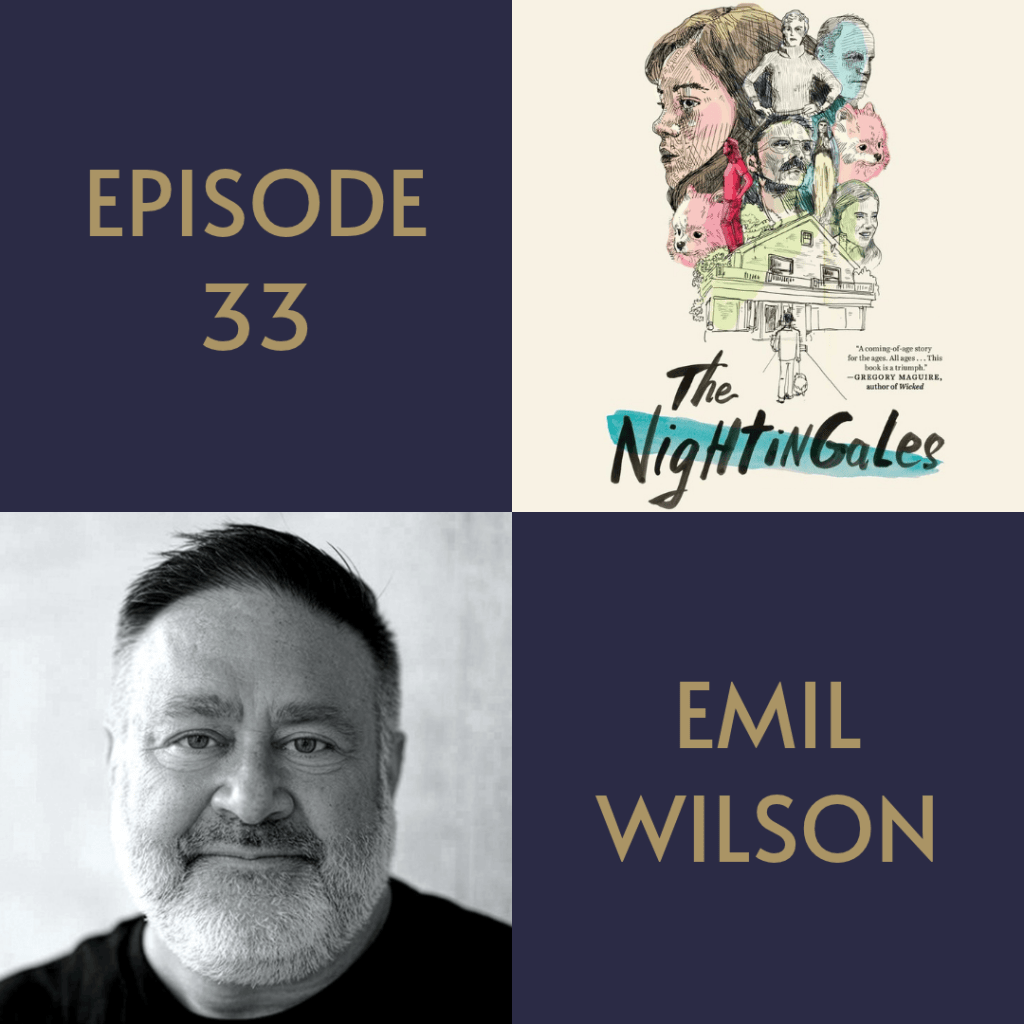
In this interview, we chat with Emil Wilson about creative freedom, visual communication, character transformation, and so much more.
is an award-winning art director, illustrator, and artist whose creative work has appeared in numerous magazines and newspapers, as well as on NPR, the Oscars, and during the Super Bowl. He is based in San Francisco.
Books and stories mentioned in this episode:
Either/Or; The Idiot — Elif Batuman
Helter Skelter — Vincent Bugliosi & Curt Gentry
Great Expectations — Charles Dickens
Carrie; Pet Sematary — Stephen King
The Executioner’s Song — Norman Mailer
The Thorn Birds — Colleen McCullough
Centennial — James A. Michener
Everything Was Beautiful and Nothing Hurt — Ben Reeves
Sophie’s Choice — William Styron
War and Peace — Leo Tolstoy
How to Write a Novel in 20 Pies — Amy Wallen (with illustrations by Emil Wilson)
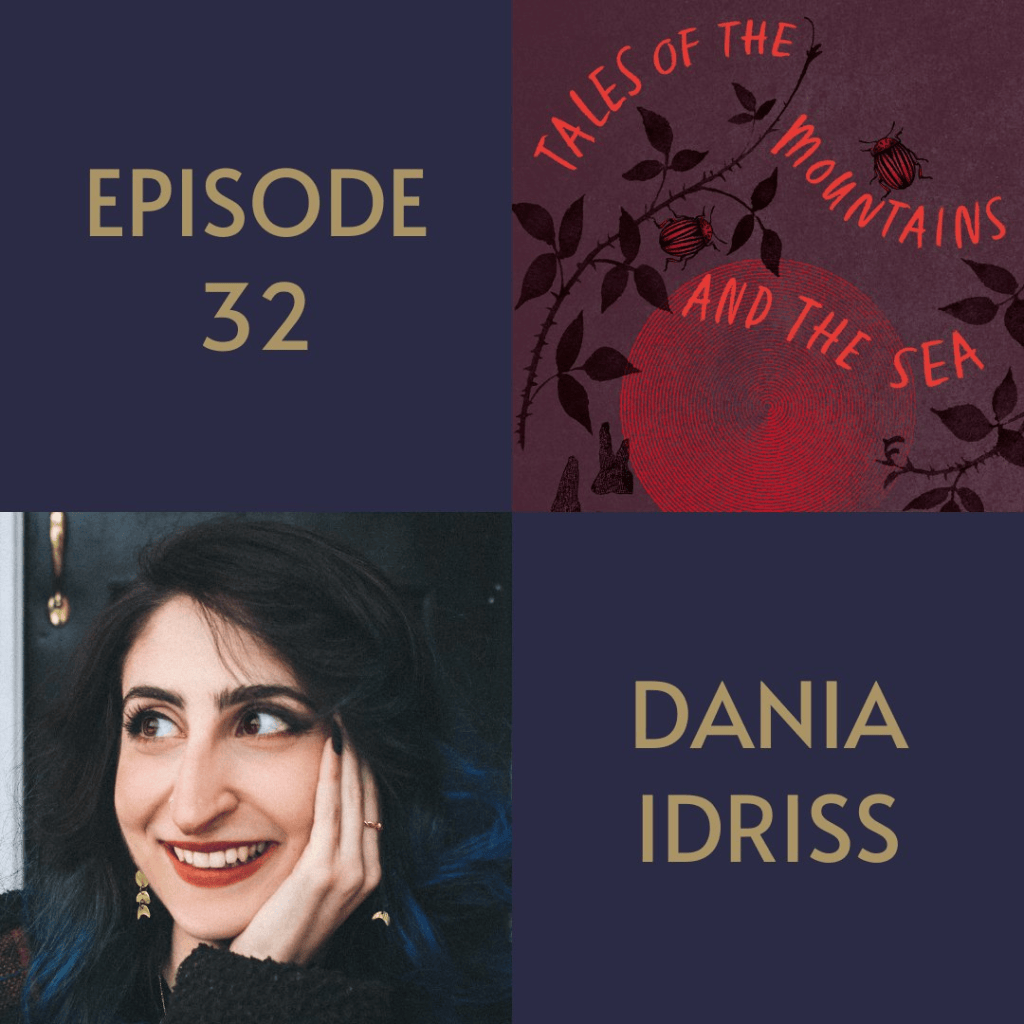
In this interview, we chat with Dania Idriss about representing human cruelty, finding creative nourishment in academic conferences, spending time in “writing jail”, and so much more.
Dania Idriss (she/her) is a Lebanese-Canadian author and a doctoral candidate in the Department of English at the University of Calgary. She (currently) gratefully lives and works on the traditional territory of Treaty 7, with her writing focusing on global literatures, particularly Arabic speculative fiction. Her first book, a collection of horror stories titled Tales of the Mountains and the Sea, was released by Freehand Books in May 2026. Dania teaches speculative fiction and global literatures at the Alberta University of the Arts and the University of Calgary. She enjoys all things spooky, warm sweaters, and spending time with her bunny, Arlo.
Books and stories mentioned in this episode:
Human Sacrifices — María Fernanda Ampuero
American War; One Day, Everyone Will Have Always Been Against This — Omar El Akkad
The Woman in White — Wilkie Collins
David Copperfield; Great Expectations; The Old Curiosity Shop — Charles Dickens
The Haunting of Hill House; The Sundial; We Have Always Lived in the Castle — Shirley Jackson
The Monk — Matthew Gregory Lewis
Forgotten Journey; Thus Were Their Faces — Silvina Ocampo
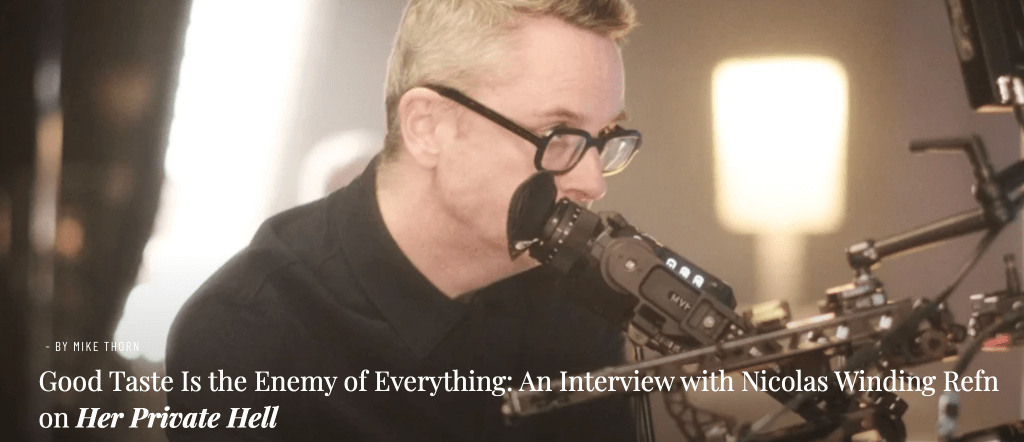
As Her Private Hell hits U.S. theaters, Mike Thorn sat down with Nicolas Winding Refn to discuss Her Private Hell, the unconscious, fantasy, the process of artistic exploration, and more.
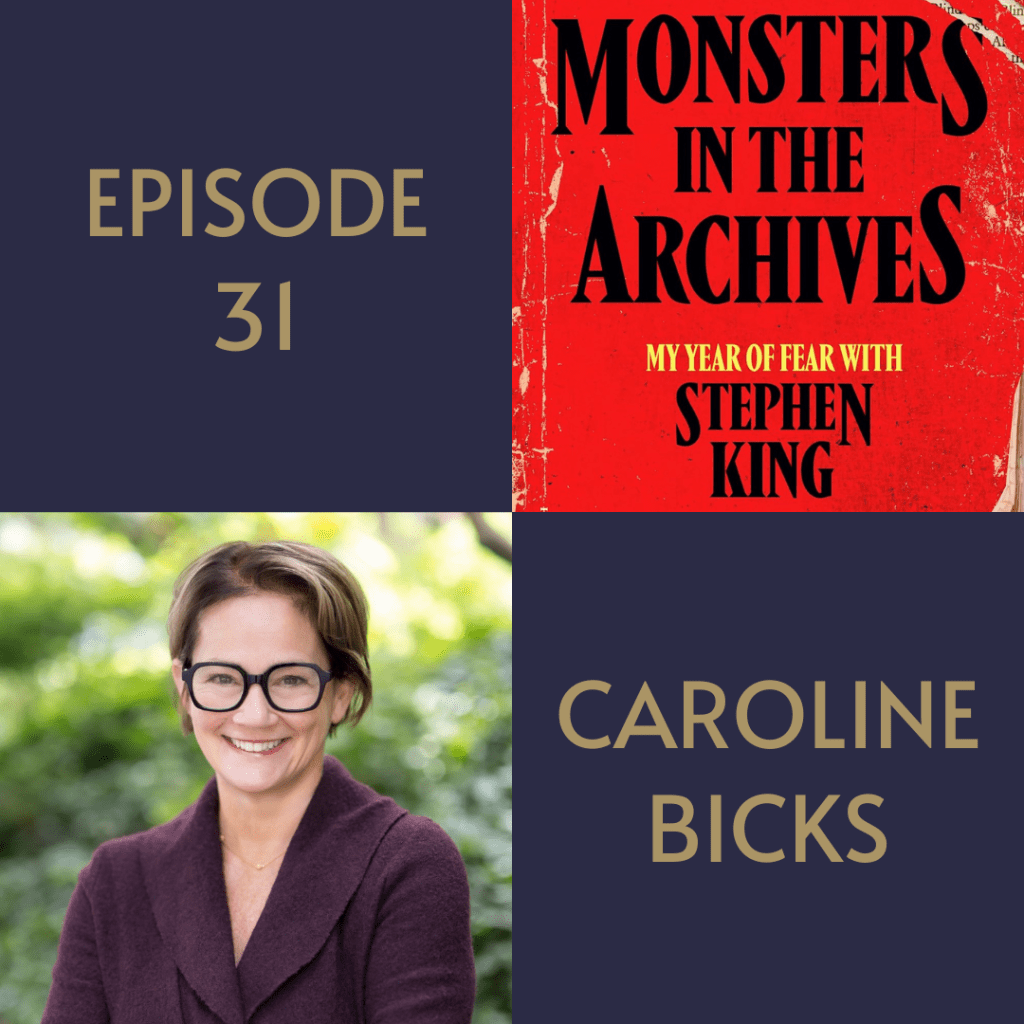
In this interview, we chat with Caroline Bicks about combatting AI in the classroom, words clanging on readers’ ears, the uniquely portable magic of fiction, and so much more.
Caroline Bicks is the author of several academic books, including Cognition and Girlhood in Shakespeare’s World and Midwiving Subjects in Shakespeare’s England. After she was named the University of Maine’s inaugural Stephen E. King Chair in Literature, she became the first scholar to be granted extended access by Stephen King to his private archive. In her most recent book, Monsters in the Archives: My Year of Fear with Stephen King, Bicks documents her exploration of King’s early drafts and hand-written revisions, and her conversations with King about those changes. Her popular writing has appeared in the Modern Love column of the New York Times and McSweeney’s Internet Tendency. She is the co-host of the Everyday Shakespeare podcast.
Books, plays, stories, and poems mentioned in this episode:
The Wizard of Oz — L. Frank Baum
I Know a Place: Rest Stop and Other Dark Detours — Nat Cassidy
“Cherrylog Road” — James Dickey
“The Boogeyman”; Carrie; Cell; “Children of the Corn”; Christine; Cujo; Danse Macabre; “The Dark Man”; The Dead Zone; Insomnia; It; “Jerusalem’s Lot”; Lisey’s Story; The Long Walk; Misery; Night Shift; “Night Surf”; On Writing: A Memoir of the Craft; Pet Sematary; Rage; ‘Salem’s Lot; The Shining; The Stand; “Strawberry Spring” — Stephen King
Bird by Bird: Some Instructions on Writing and Life — Anne Lamott
Edward II — Christopher Marlowe
North Woods — Daniel Mason
A Swim in the Pond in the Rain — George Saunders
Hamlet; Henry IV, Part I; Henry IV; Part II; Henry V; Henry VI, Part I; Henry VI, Part II; Henry VI, Part III; Macbeth; Richard II; Richard III; Romeo and Juliet — William Shakespeare
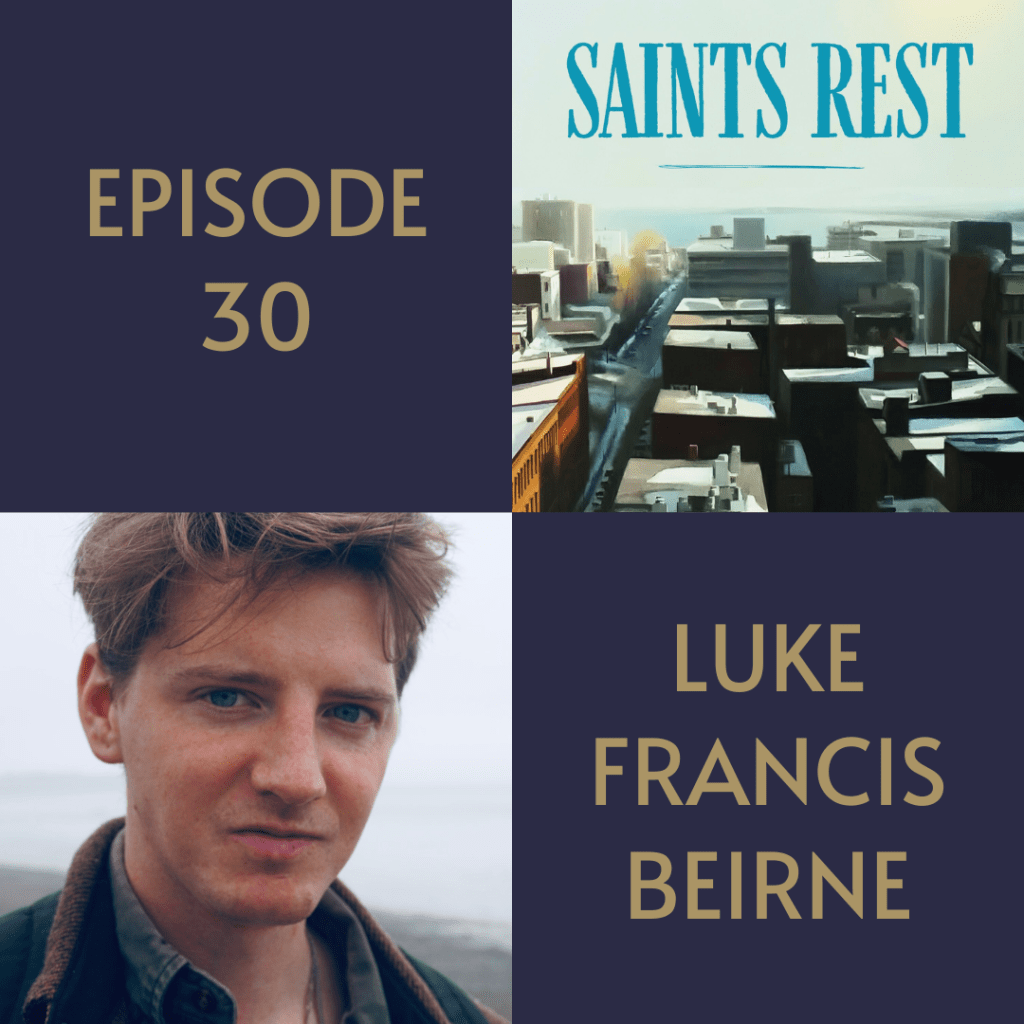
In this interview, we chat with Luke Francis Beirne about literature versus entertainment, Atlantic Canadian textures, a literary marriage proposal, and so much more.
Luke Francis Beirne was born in Ireland in 1995 and now lives on Wolastoqey land in Saint John, New Brunswick. Beirne has published three novels with Baraka Books: Foxhunt, Blacklion, and Saints Rest. His stories, essays, and reviews have appeared in outlets such as Counterpunch, NB Media Co-op, Hamilton Arts & Letters, Honest Ulsterman, and CrimeReads.
Books mentioned in this episode:
Monsters in the Archives: My Year of Fear with Stephen King — Caroline Bicks
The Last Thing He Wanted — Joan Didion
The Quiet American — Graham Greene
The Maltese Falcon — Dashiell Hammett
The Outsiders — S. E. Hinton
The Bamboo Blonde; In a Lonely Place — Dorothy B. Hughes
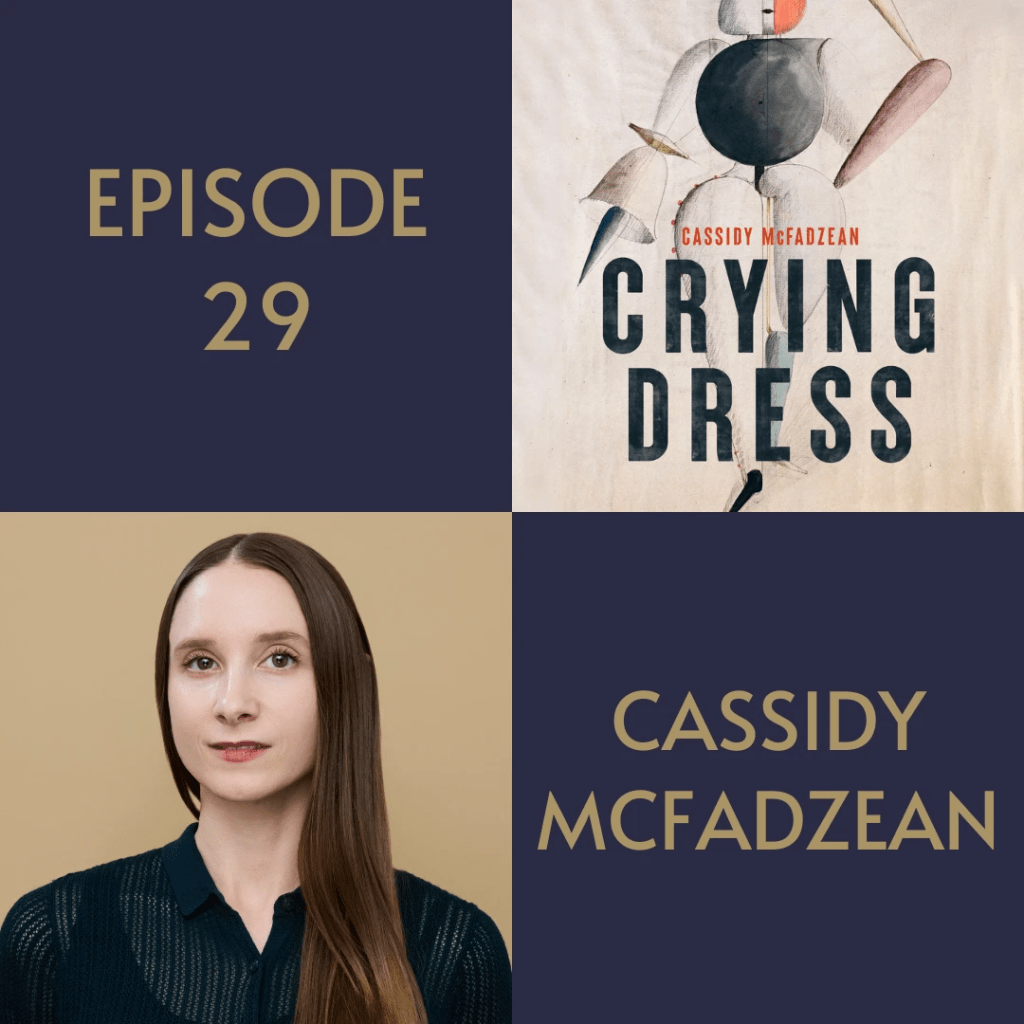
In this interview, we chat with Cassidy McFadzean about skewing prepositions, trusting the reader, opting for vibes over plot, and so much more.
Cassidy McFadzean is the author of three books of poetry, most recently Crying Dress (House of Anansi, 2024). Her fiction has appeared in Joyland, The Walrus, Hazlitt, and Dead Writers (Invisible Publishing, 2025). Cassidy was born in Regina, earned an MFA in poetry from the Iowa Writers’ Workshop, an MFA in fiction from Brooklyn College, and now lives in Toronto. She was the 2024-2025 Writer-in-Residence at Sheridan College, and is the 2025-2026 Poet-in-Residence at Arc Poetry Magazine.
Books mentioned in this episode:
The Weak Spot — Lucie Elven
Bird by Bird — Anne Lamott
Slows: Twice — T. Liem
Anne of Green Gables; Chronicles of Avonlea; Emily of New Moon; The Story Girl — Lucy Maud Montgomery
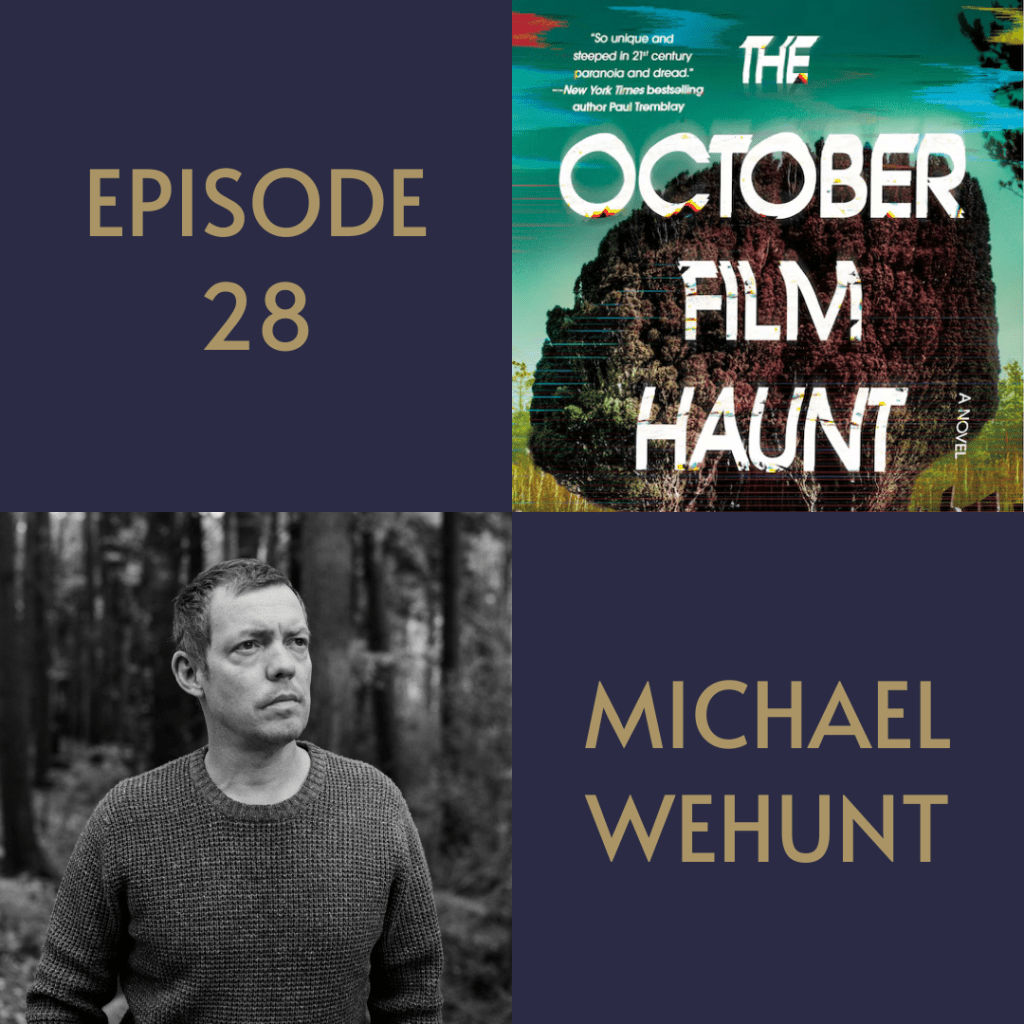
In this interview, we chat with Michael Wehunt about the administrative side of professional writing, the unanticipated weirdness of public selfhood, the “moment before the moment”, and so much more.
Michael Wehunt has been a finalist for the Bram Stoker Award, multiple Shirley Jackson Awards, and the International Association for the Fantastic in the Arts’ Crawford Award. In Spain, his translated works have garnered nominations for the Premio Ignotus and Premio Amaltea, winning the latter. He haunts the woods of Decatur, Georgia, with his partner and their dog. Together, they hold the horrors at bay. Most recently, he is the author of the novels The October Film Haunt and Nightjars.
Books and poems mentioned in this episode:
Ancient Images; The Grin of the Dark; Incarnate — Ramsey Campbell
Generation X: Tales for an Accelerated Culture — Douglas Coupland
Poems 1962-2020 — Louise Glück
Carrie — Stephen King
Beings — Ilana Masad
The God of the Woods; Long Bright River — Liz Moore
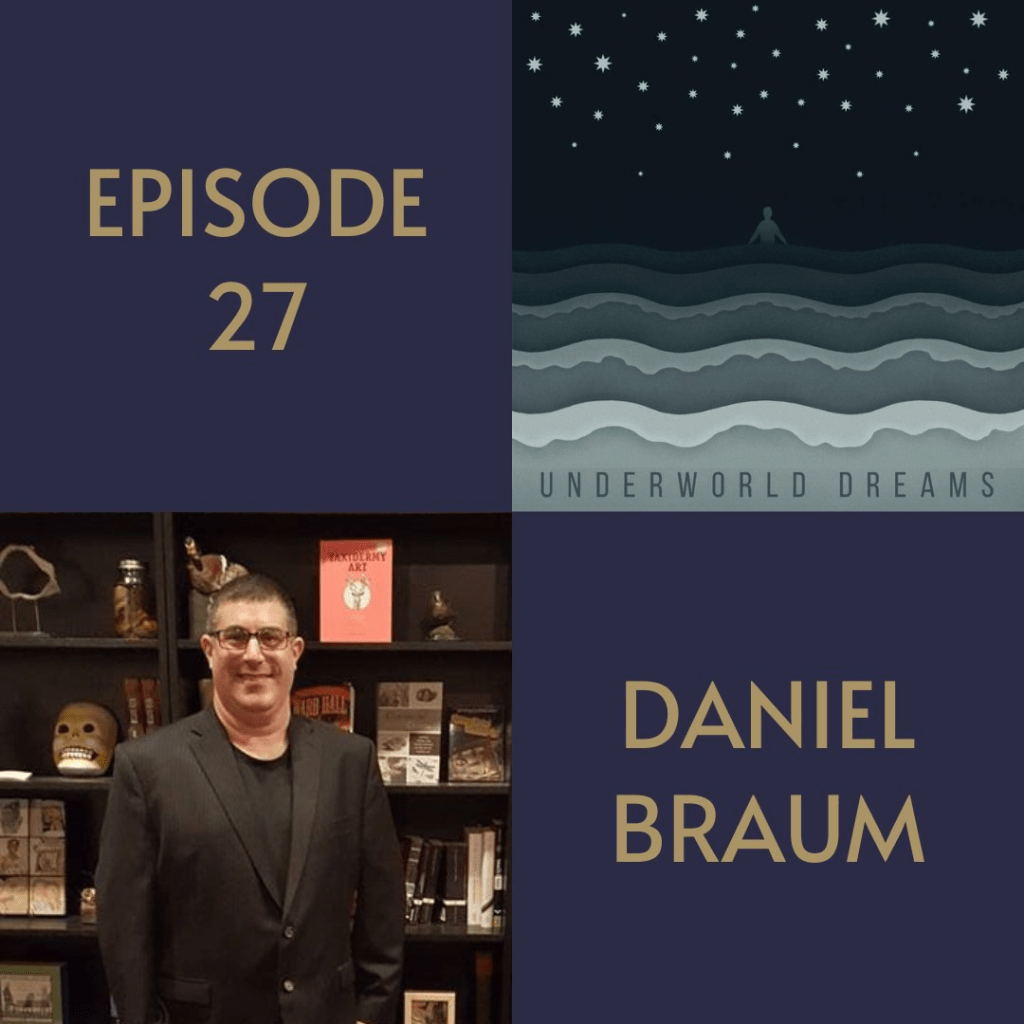
In this interview, we chat with Daniel Braum about exploring the ecology of the supernatural, finding inspiration in liminal spaces, cultivating a sense of awe, and so much more.
Daniel Braum writes short stories that explore the tension between the psychological and the supernatural. He intentionally adopts the term “strange tales” for his “Twilight Zone-like stories in homage to author Robert Aickman and the intentional ambiguities of his work. His latest collection is Phantom Constellations: Strange Tales and Ghost Stories from Cemetery Dance Publications (2025). His stories appear in places ranging from The Best Horror of the Year Volume 12, edited by Ellen Datlow, and Shivers 8, edited by Richard Chizmar.
Books and stories mentioned in this episode:
Cold Hand in Mine — Robert Aickman
The Artist’s Way — Julia Cameron
Ancient Images; The Hungry Moon — Ramsey Campbell
“Plunged in the Years” — Jeffrey Ford
“Children of the Corn” — Stephen King
The Ceremonies — T. E. D. Klein
Beginnings, Middles & Ends — Nancy Kress
Dreams of Dark and Light — Tanith Lee
Rosemary’s Baby; The Stepford Wives — Ira Levin
Story — Robert McKee
Conjunctions 83: The Ghost Issue — Joyce Carol Oates and Bradford Morrow, eds.
The Jaguar Hunter — Lucius Shepard
Shadowland — Peter Straub
Conjunctions 39: The New Wave Fabulists — Peter Straub, ed.
Harvest Home — Thomas Tryon
The Writer’s Journey: Mythic Structure for Writers — Chris Vogler
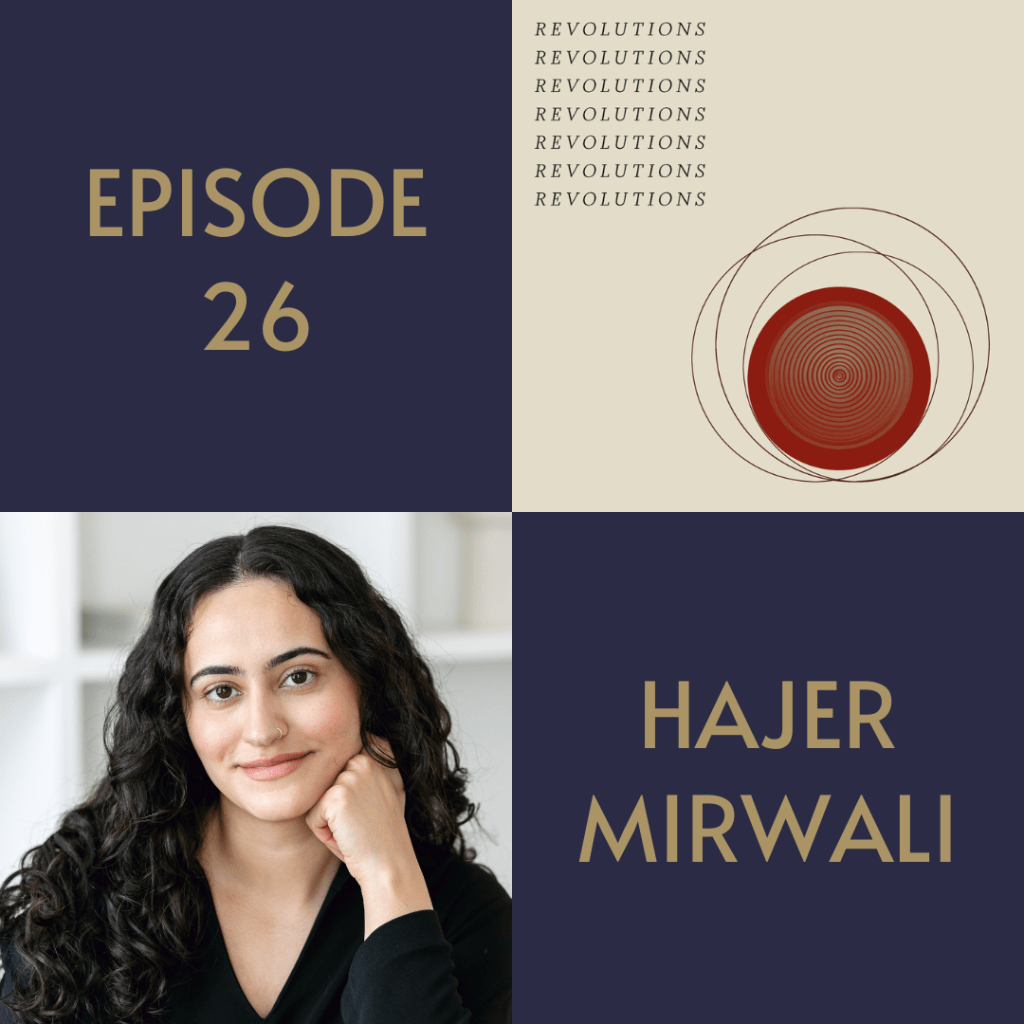
In this interview, we chat with Hajer Mirwali about cross-disciplinary work, embodied writing, poetic mad libs, and so much more.
Hajer Mirwali is a Palestinian and Iraqi writer living in Toronto. Her first book, Revolutions (Talonbooks, 2025), is a collection of poetry on shame, pleasure, and Arab Muslim girlhood. Two poems from the collection also appear in an anthology of Palestinian poetry called Heaven Looks Like Us (Haymarket Books, 2025). Hajer’s work has been published in The Ex-Puritan, Brick Magazine, Room Magazine, and Joyland. She has an MFA in Creative Writing from the University of Guelph, and a BA in Creative Writing from York University.
In this interview, we chat with Kasia Van Schaik about reverse outlining, asking “what if”, sublimating emotion through landscape, and so much more.
Kasia Van Schaik is the author of the Giller Prize-nominated story collection We Have Never Lived on Earth and the forthcoming book of memoir and cultural criticism, Women Among Monuments. With Myra Bloom, she is the co-editor of the essay collection, Shelter in Text: Essays on Dwelling and Refuge. Kasia’s writing has appeared in Electric Literature, the LA Review of Books, Room, The Rumpus, the Best Canadian Poetry, and the CBC. Kasia holds a PhD in literature from McGill University and is assistant professor of English and co-director of Creative Writing at the University of New Brunswick in Fredericton, Wolastoqiyik territory.
Books mentioned in this episode:
Wuthering Heights — Emily Brontë
The Secret Garden — Frances Hodgson Burnett
Autobiography of Red — Anne Carson
Boyhood; Youth; Summertime — J. M. Coetzee
Outline; Transit; Kudos — Rachel Cusk
The Days of Abandonment; the Neapolitan Quartet — Elena Ferrante