
“Stand by Me finds its thematic core in the friendship between Gordie and Chris, who both perform masculine toughness to protect their mutually innate sensitivity.”
Author | Critic

“Stand by Me finds its thematic core in the friendship between Gordie and Chris, who both perform masculine toughness to protect their mutually innate sensitivity.”


Continuing a new annual tradition. Titles organized by author name.
Hawksmoor, by Peter Ackroyd (1989)
Dark Entries, by Robert Aickman (1964)
We Are Here to Hurt Each Other, by Paula D. Ashe (2022)
This Mortal Coil, by Cynthia Asquith (1947)
The Damnation Game, by Clive Barker (1985)
Tender is the Flesh, by Agustina Bazterrica (2017; 2020 translation by Sarah Moses)
The Listener and Other Stories, by Algernon Blackwood (1907)
The Scarf, by Robert Bloch (1947/1966)
Something Wicked This Way Comes, by Ray Bradbury (1962)
Long After Midnight: 22 Hauntings and Celebrations, by Ray Bradbury (1976)
Wieland; or, The Transformation: An American Tale, by Charles Brockden Brown (1798)
Ancient Images, by Ramsey Campbell (1989)
The King in Yellow, by Robert W. Chambers (1895)
The Juniper Tree, by Barbara Comyns (1985)
The Breaking Point, by Daphne du Maurier (1959)
Don’t Look Now, by Daphne du Maurier (1971)
The Between, by Tananarive Due (1995)
The Pines, by Robert Dunbar (1989)
American Psycho, by Bret Easton Ellis (1991)
Lunar Park, by Bret Easton Ellis (2005)
I Have No Mouth & I Must Scream, by Harlan Ellison (1967)
The Collector, by John Fowles (1963)
Aura, by Carlos Fuentes (1962; 1986 translation by Lysander Kemp)
Something Stirs, by Charles L. Grant (1991)
Red Dragon, by Thomas Harris (1981)
Twice-Told Tales, by Nathaniel Hawthorne (1837)
The House of the Seven Gables, by Nathaniel Hawthorne (1851)
The Woman in Black, by Susan Hill (1983)
The House on the Borderland, by William Hope Hodgson (1908)
The Private Memoirs and Confessions of a Justified Sinner, by James Hogg (1824)
The Damned, by Joris-Karl Huysmans (1891)
The Lottery and Other Stories, by Shirley Jackson (1949)
Hangsaman, by Shirley Jackson (1951)
The Sundial, by Shirley Jackson (1958)
The Haunting of Hill House, by Shirley Jackson (1959)
We Have Always Lived in the Castle, by Shirley Jackson (1962)
Ghost Stories of Henry James, by Henry James (2008, edited by Martin Schofield)
Ghost Stories of an Antiquary, by M. R. James (1904)
Blood Secrets, by Craig Jones (1978)
Uzumaki, by Junji Ito (2000; 2013 translation by Yuji Oniki)
The Girl Next Door, by Jack Ketchum (1989)
The Red Tree, by Caitlín R. Kiernan (2009)
Carrie, by Stephen King (1974)
‘Salem’s Lot, by Stephen King (1975)
The Shining, by Stephen King (1977)
Cujo, by Stephen King (1981)
Pet Sematary, by Stephen King (1983)
It, by Stephen King (1986)
Full Dark, No Stars, by Stephen King (2010)
And Her Smile Will Untether the Universe, by Gwendolyn Kiste (2017)
The Ceremonies, by T. E. D. Klein (1984)
The Cipher, by Kathe Koja (1991)
Bad Brains, by Kathe Koja (1992)
Skin, by Kathe Koja (1993)
Conjure Wife, by Fritz Leiber (1943)
The Fifth Child, by Doris Lessing (1988)
Rosemary’s Baby, by Ira Levin (1967)
The Stepford Wives, by Ira Levin (1972)
The Monk: A Romance, by Matthew Gregory Lewis (1796)
Songs of a Dead Dreamer and Grimscribe, by Thomas Ligotti (2015)
The Hounds of Tindalos, by Frank Belknap Long (1946)
Tales of H. P. Lovecraft, by H. P. Lovecraft (2007, edited by Joyce Carol Oates)
The House of Souls, by Arthur Machen (1906)
Burnt Offerings, by Robert Marasco (1973)
The Beetle, by Richard Marsh (1897)
I Am Legend, by Richard Matheson (1954)
Shock!, by Richard Matheson (1961)
Melmoth the Wanderer, by Charles Robert Maturin (1820)
Child of God, by Cormac McCarthy (1973)
Toplin, by Michael McDowell, (1985)
Heartbreaker, by Maryse Meijer (2016)
The Seventh Mansion, by Maryse Meijer (2020)
Strange is the Night, by S. P. Miskowski (2017)
Beloved, by Toni Morrison (1987)
Zombie, by Joyce Carol Oates (1995)
Jack of Spades, by Joyce Carol Oates (2015)
Widdershins, by Oliver Onions (1911)
Selected Writings of Edgar Allan Poe, by Edgar Allan Poe (1956, edited by Edward H. Davidson)
The Mysteries of Udolpho, by Ann Radcliffe (1794)
Interview with the Vampire, by Anne Rice (1976)
Traplines, by Eden Robinson (1996)
The Subjugated Beast, by R. R. Ryan (1938)
The Room, by Hubert Selby Jr. (1971)
The Demon, by Hubert Selby Jr. (1976)
New Stories from the Twilight Zone, by Rod Serling (1965)
Frankenstein; or, the Modern Prometheus, by Mary Shelley (1818)
The House Next Door, by Anne Rivers Siddons (1978)
The Dark Eidolon and Other Fantasies, by Clark Ashton Smith (2014, edited by S. T. Joshi)
Strange Case of Dr. Jekyll and Mr. Hyde, by Robert Louis Stevenson (1886)
Dracula, by Bram Stoker (1897)
Julia, by Peter Straub (1975)
Ghost Story, by Peter Straub (1979)
Koko, by Peter Straub (1988)
Houses without Doors, by Peter Straub (1990)
The Other, by Thomas Tryon (1971)
Ghosts, by Edith Wharton (1937)
The Picture of Dorian Gray, by Oscar Wilde (1890)
The Island of Doctor Moreau, by H. G. Wells (1896)
The Invisible Man, by H. G. Wells (1897)
The Sailor Who Fell from Grace with the Sea, by Yukio Mishima (1963)


In this interview, we chat with Ramsey Campbell about creative instincts, happy accidents, eerie children’s tales, and so much more.
The Oxford Companion to English Literature describes Ramsey Campbell as “Britain’s most respected living horror writer”, and the Washington Post sums up his work as “one of the monumental accomplishments of modern popular fiction”. His awards include the Grand Master Award of the World Horror Convention, the Lifetime Achievement Award of the Horror Writers Association, the Living Legend Award of the International Horror Guild and the World Fantasy Lifetime Achievement Award. In 2015 he was made an Honorary Fellow of Liverpool John Moores University for outstanding services to literature. His latest novels are Fellstones, The Lonely Lands, The Incubations and An Echo of Children. His Brichester Mythos trilogy consists of The Searching Dead, Born to the Dark and The Way of the Worm. His collections include Waking Nightmares, Ghosts and Grisly Things, Told by the Dead, Just Behind You, Holes for Faces, By the Light of My Skull, Fearful Implications, and a two-volume retrospective roundup (Phantasmagorical Stories) as well as The Village Killings and Other Novellas. His non-fiction is collected as Ramsey Campbell, Probably and Ramsey Campbell, Certainly, while Ramsey’s Rambles collects his video reviews, and Six Stooges and Counting is a book-length study of the Three Stooges. Limericks of the Alarming and Phantasmal is a history of horror fiction in the form of fifty limericks.
Books and stories mentioned in this episode:


Hosts Josh and Jamie and special returning guest Mike Thorn kick off SPOOKTOBER by discussing two different eras of largely faithful Stephen King adaptations: Mary Lambert’s playful, colorful and yet still effectively upsetting and morbid realization of PET SEMATARY (1989) and Lawrence Kasdan’s attempt at keeping a straight (expensive Hollywood production) face while King bizarrely remixes many of his career-long obsessions in the painkiller induced fever dream of DREAMCATCHER (2003).


“Gothic cinema inherits an ongoing obsession with writers and writing from its literary ancestors, but how does it translate such text-based fixations into its own audiovisual grammar? How does it stage ‘objective’ diegeses in concert with the innately subjective representations of writers and the act of writing? This article approaches these questions, not by offering a comprehensive history of Gothic films depicting writers (that would require a long, book-length project), but by analyzing a trio of writer-focused Gothic films notable for their dealings with literary ancestry through negotiations between subjective interiority and diegetic objectivity.”


Mike Thorn is offering a Horror-Writing Workshop for Wordspring 2025 (Writers’ Federation of New Brunswick).


“Director Alexandre Aja’s latest film, Never Let Go, occupies a deliberately liminal space. Its threadbare plot suggests a post-apocalyptic near future, but its central family is stuck in a Gothic past.”

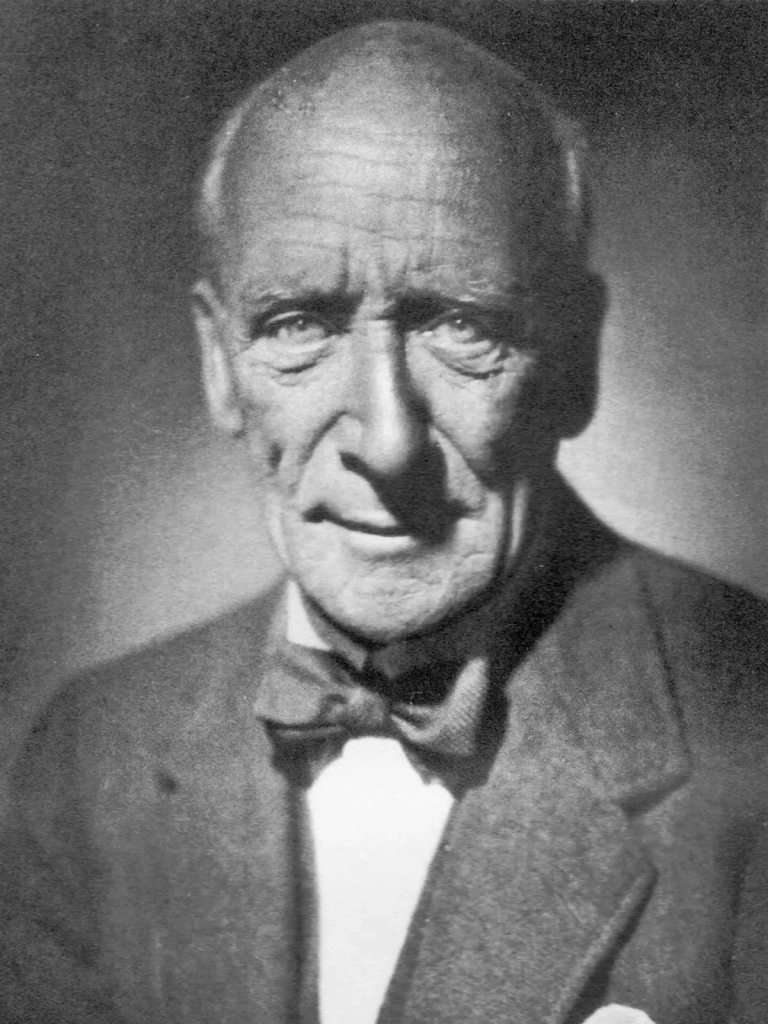
Booklisti invited Mike Thorn to create a list. See his choices for Weirding the Gothic: Literary Horror Collisions.


Mike Thorn joins Vince Midgard on The Dark Mind Podcast to discuss his recent novel Shelter for the Damned.
They discuss the themes and inspirations behind the book, including the exploration of the Jungian shadow and the ambiguity of supernatural versus psychological elements. They also touch on Thorn’s previous work, Darkest Hours, his podcast Craftwork, and his experiences as a writer. The conversation concludes with Thorn sharing his love for reading, the importance of maintaining a healthy lifestyle, and his upcoming projects.


 Mike Thorn