Listen to Mike Thorn’s new story “The Shape of Our Damnation” on episode 644 of Tales to Terrify.
Also included in the episode: A. M. Symes’ “Chipping Away.”
Author | Critic

Listen to Mike Thorn’s new story “The Shape of Our Damnation” on episode 644 of Tales to Terrify.
Also included in the episode: A. M. Symes’ “Chipping Away.”

Check out episode #3 of Craftwork, featuring William Ping. William talks with Mike Thorn and Miriam Richer about historical fiction, hauntology, Animal Crossing, and so much more.
William Ping is a novelist and journalist, born and raised in St. John’s. His debut novel Hollow Bamboo was published by HarperCollins in 2023 and was shortlisted for the Amazon.ca First Novel Award, the BMO Winterset Award, and the Thomas Raddall Atlantic Fiction Award as well as being longlisted for the Dublin Literary Award and the Stephen Leacock Medal for Humour. He has previously been published in ‘Us, Now,’ Hard Ticket and Riddle Fence. William is also known for his contributions to CBC News, where he can most often be heard reading the news.
Books mentioned in this episode:

In this interview, Randy Nikkel Schroeder talks about noir, character possession, Biblical frisson, and so much more. Listen here.
Randy Nikkel Schroeder is the author of Arctic Smoke (NeWest), Crooked Timber: Seven Suburban Faerie Tales (Green Magpie), and over fifty published short stories. In his spare time, he is professor of English, Languages, and Cultures at Mount Royal University.
Books mentioned in this episode:

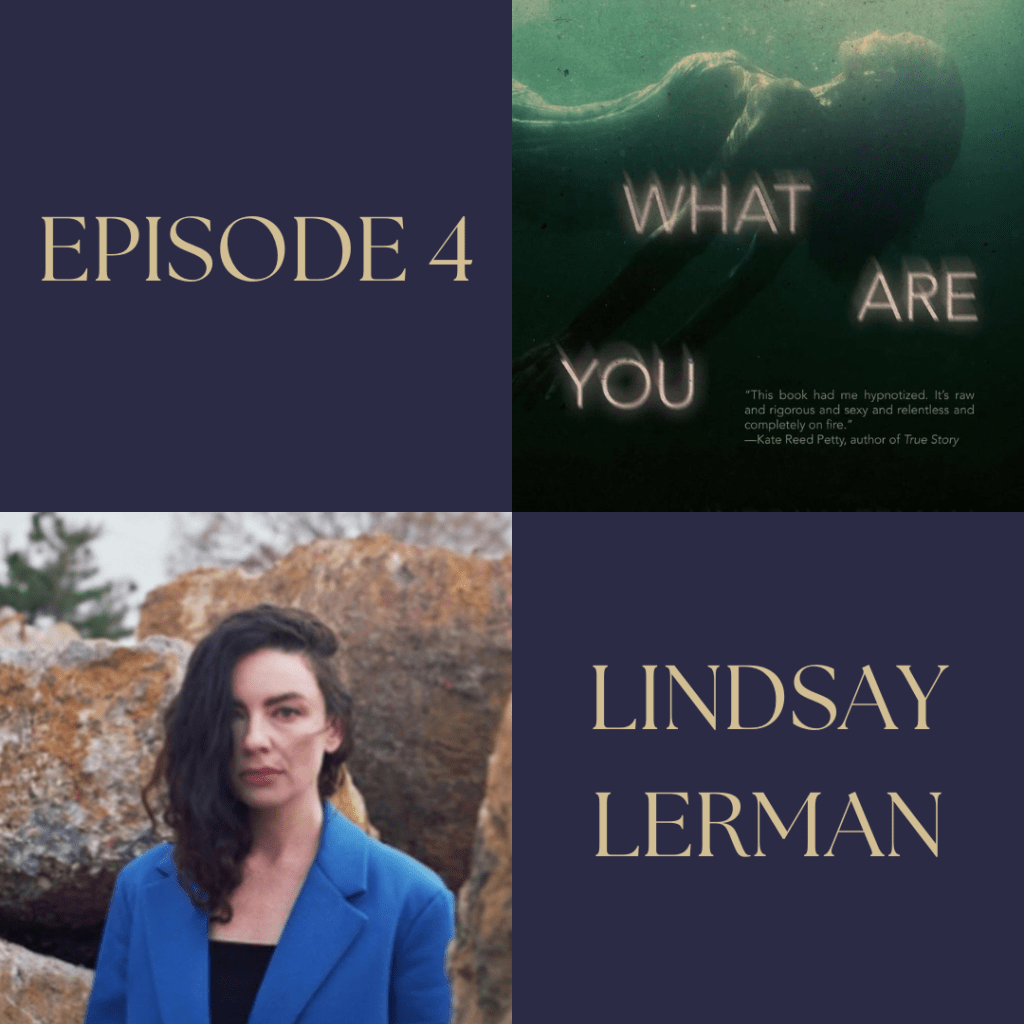
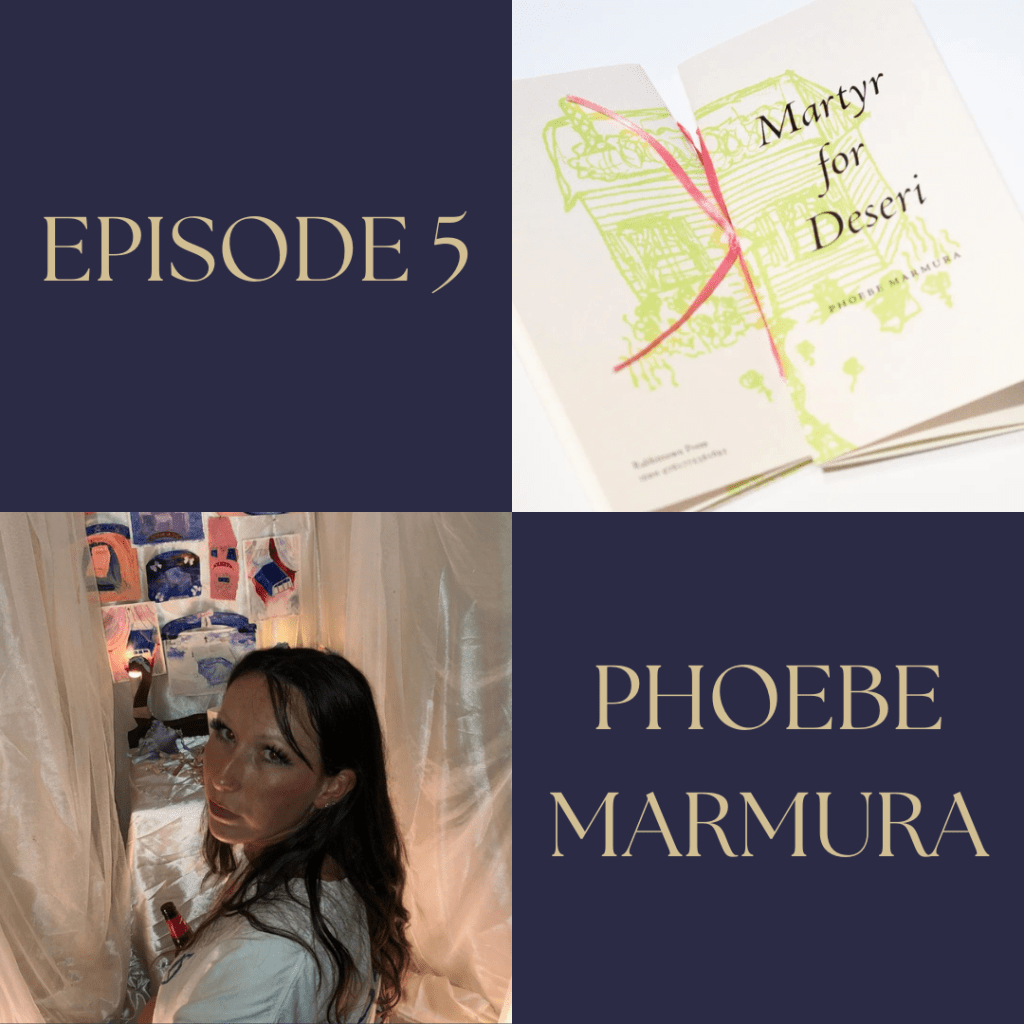
On the first episode of Craftwork, guest Meghan Kemp-Gee talks about poetry, screenwriting, comics, and so much more.
Meghan is the author of The Animal in the Room (Coach House Books, 2023), as well as three poetry chapbooks, What I Meant to Ask, Things to Buy in New Brunswick, and More. She also co-created the webcomic Contested Strip, recently adapted as a graphic novel, One More Year. She is a PhD candidate at UNB and currently lives in North Vancouver BC.
Listen here.
Books mentioned in this episode:

Co-hosted by Mike Thorn and Miriam Richer this podcast will feature conversations with writers of all narrative genres about craft, technique, and process. Watch this space for updates. Follow on Twitter, Instagram, and Facebook.
Original music by Randy Nikkel Schroeder.

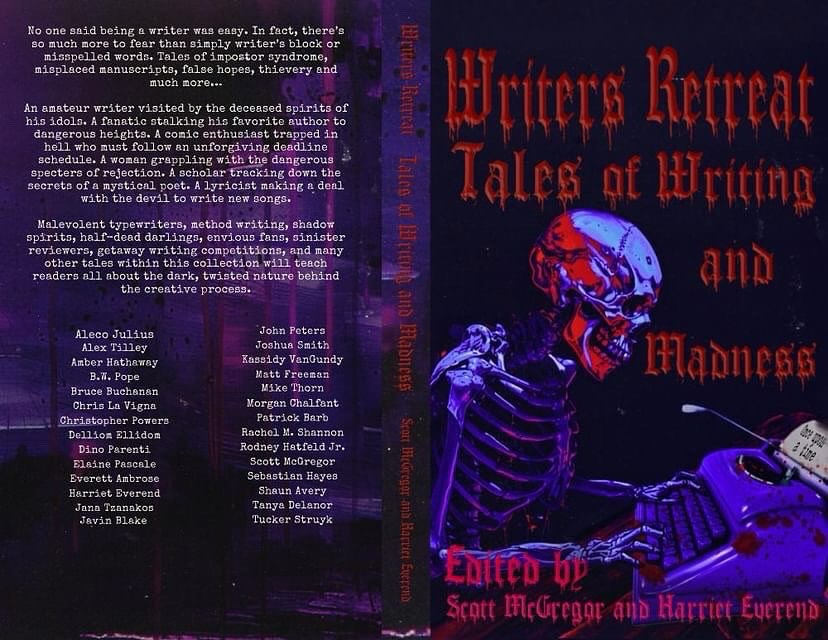
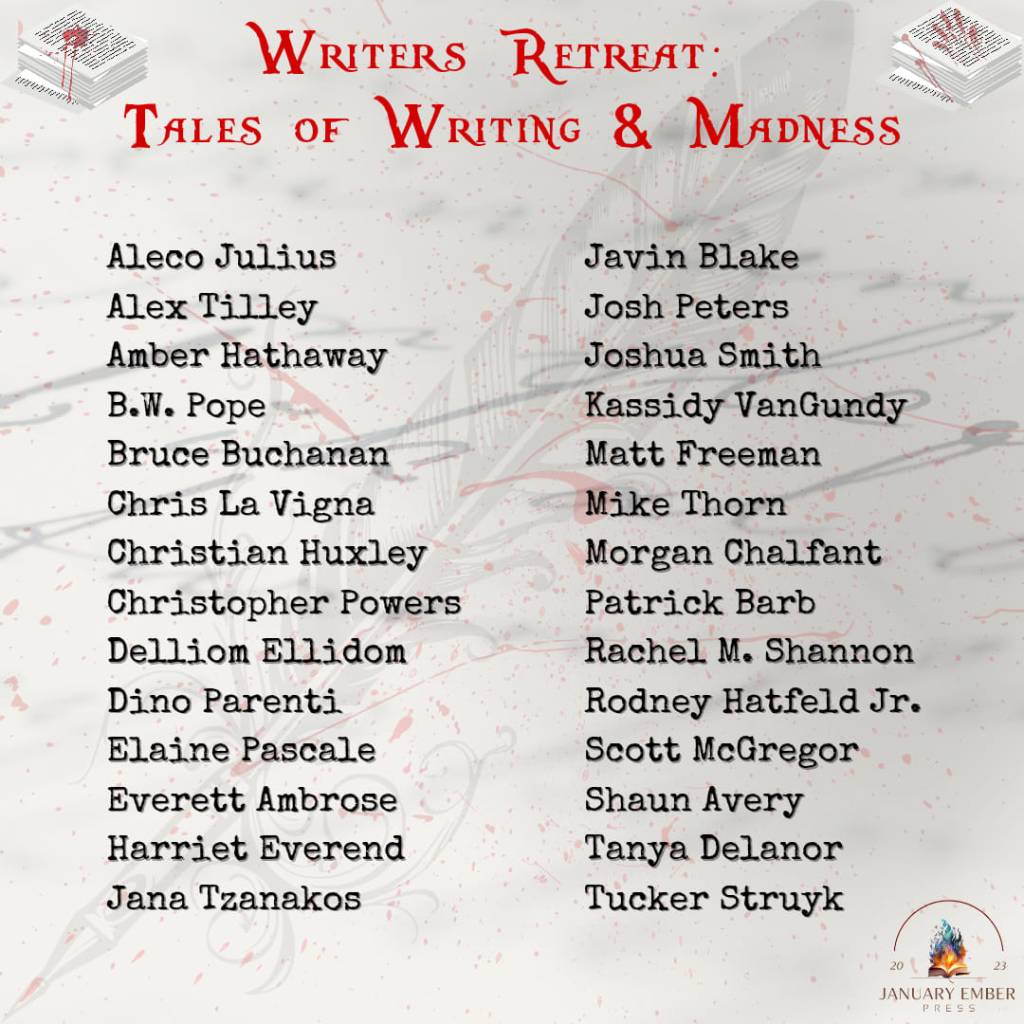
Check out the cover wraparound for Writers Retreat, edited by Scott McGregor and Harriet Everend (coming May 15 from January Ember Press).
Mike Thorn’s story “Method Writing”, about a rural research trip gone horrifically wrong, sits alongside new work from many great writers.

“The Canyons and The Counselor represent an America unmoored from its own self-aggrandizing mythologies — the capitalist dream as nightmare of anxiety and violence. The films are haunted by symbols rather than subjects, made nowhere clearer than in McCarthy’s naming The Counselor’s title protagonist (played by Michael Fassbender) after his profession — he is a nameless intermediary, a metaphor.”

“Over the past few years I’ve had the privilege of enjoying an ongoing dialogue with one of my major creative influences, award-winning writer Kathe Koja. Two years ago, she and I discussed genre and process during the virtual launch for my second short story collection, Peel Back and See. Last year, we discussed our work’s relationship with cinema for In Review Online. While brainstorming about topics for future conversations, we decided to pursue the concept of numinosity: its permutations in literature in film and the role it plays in our own creative projects. This article is the result of our email thread on the subject.”

Film adaptations of Stephen King’s work often suffer from genre misidentification. This isn’t to say that filmmakers mistakenly read King’s work as horror fiction — much of it undoubtedly is horror fiction. The primary shortcoming of many adaptations — including Andy Muschietti’s 2017/2019 It duology — is a limited perception of what the horror genre is, what it can do, and how it interfaces with other literary and cinematic traditions. It (1986) might well be King’s most horrific novel, its title representing the numinous and multifaceted object of fear itself. It’s as replete with monsters and grotesquerie as anything the author has written, but it also might be his most thematically and structurally ambitious work.