Northanger Abbey, by Jane Austen (1817) The Moonstone, by Wilkie Collins (1868) The Island of Dr. Moreau, by H. G. Wells (1896) What Maisie Knew, by Henry James (1897; 1908 New York Edition) The House of Souls, by Arthur Machen (1906) Widdershins, by Oliver Onions (1911) Summer, by Edith Wharton (1917) Tales of the Jazz Age, by F. Scott Fitzgerald (1922) The Maltese Falcon, by Dashiell Hammett (1930) Strangers on a Train, by Patricia Highsmith (1950) The Nothing Man, by Jim Thompson (1954) A Severed Head, by Iris Murdoch (1961) Aura, by Carlos Fuentes (1962) Slouching Towards Bethlehem, by Joan Didion (1968) Sula, by Toni Morrison (1973) The Coherence of Gothic Conventions, by Eve Kosofsky Sedgwick (1980) Bad Behavior, by Mary Gaitskill (1988) Ancient Images, by Ramsey Campbell (1989) Blonde, by Joyce Carol Oates (2000) Border Crossing, by Pat Barker (2001) These Truths: A History of the United States, by Jill Lepore (2018) The Best of Both Worlds, by S. P. Miskowski (2020) Hi, It’s Me, by Fawn Parker (2024) Dark Matter, by Kathe Koja (2025) Wreckage / What Happens in Hello Jack, by Peter Straub (2025)
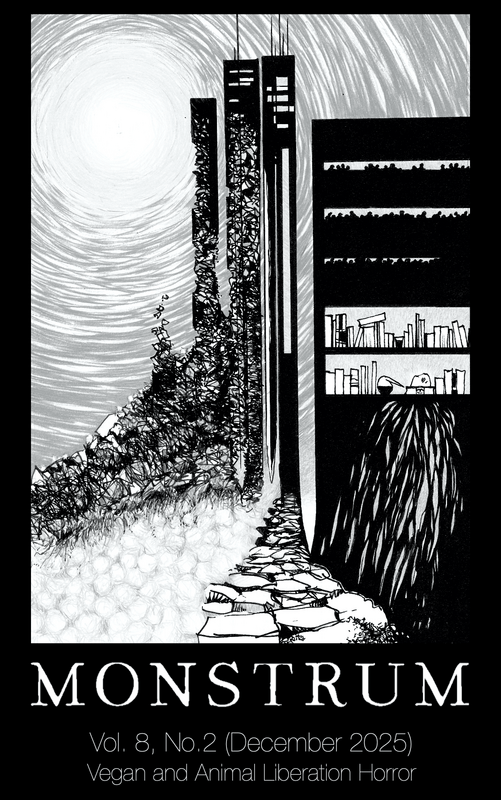
Guest-edited by horror scholar and fiction writer Mike Thorn, this robust issue presents six feature essays, two works of original fiction, a dossier of retrospective reviews, and two essays in our student forum. Feature essays cover both literature and the moving image from a broad range of perspectives. From reorienting human and more-than-human animal perspectives in the essays by Poulomi Choudhury, Dru Jeffries, and Britt MacKenzie-Dale, to epistemological and ontological shifts in the way we think of human and more than-human ecologies in the essays by Zoë Anne Laks, Jenni Makahnouk, and William Taylor, and the Introduction by Mike Thorn, the contributions to this special issue explore the challenge of thinking beyond harmful anthropocentric and hegemonic capitalist world systems.
For the first time, this issue of Monstrum includes original fiction. In “The Playground,” celebrated horror author Kathe Koja (The Cipher, Under the Poppy, Straydog) traces a shift in ecological sensibility to what might be called a necessary violence. And with “Cogno,” Mike Thorn (Darkest Hours, Peel Back and See) brings us into the terrifying world of tech-bro longevity at the expense of … maybe everything.
A selection of retrospective reviews considers literary and cinematic texts that strive to reorient human and nonhuman animal perspectives, including a critical reassessment of the (anti-)anthropocentrism in Nobel laureate Olga Tokarczuk’s novel Drive Your Plow Over the Bones of the Dead (2018), the vegan aesthetic of Rob Zombie’s films via House of 1000 Corpses (2003), and the brutal struggle against becoming-animal in Stuart Gordon’s grim King of the Ants (2003).
The student forum includes two essays by emerging scholars that continue the issue’s investigations of radical otherness. A product of the SSHRC-funded “Horror Ecologies” workshop by CORERISC held in summer 2024 at Dawson College, Emerson Reault’s essay reads Ginger Snaps as a trans allegory, reconsidering the film’s metaphorical “curse” as less one of becoming a woman, than that of an understanding of one’s embodiment. In their essay, Luka Romney looks at radical empathy for the “animal” Other via Julia Kristeva’s concept of herethics in two of Larry Cohen’s most provocative 1970s films, It’s Alive! (1976) and It Lives Again (1978).
Continuing a new annual tradition. Titles organized by author name.
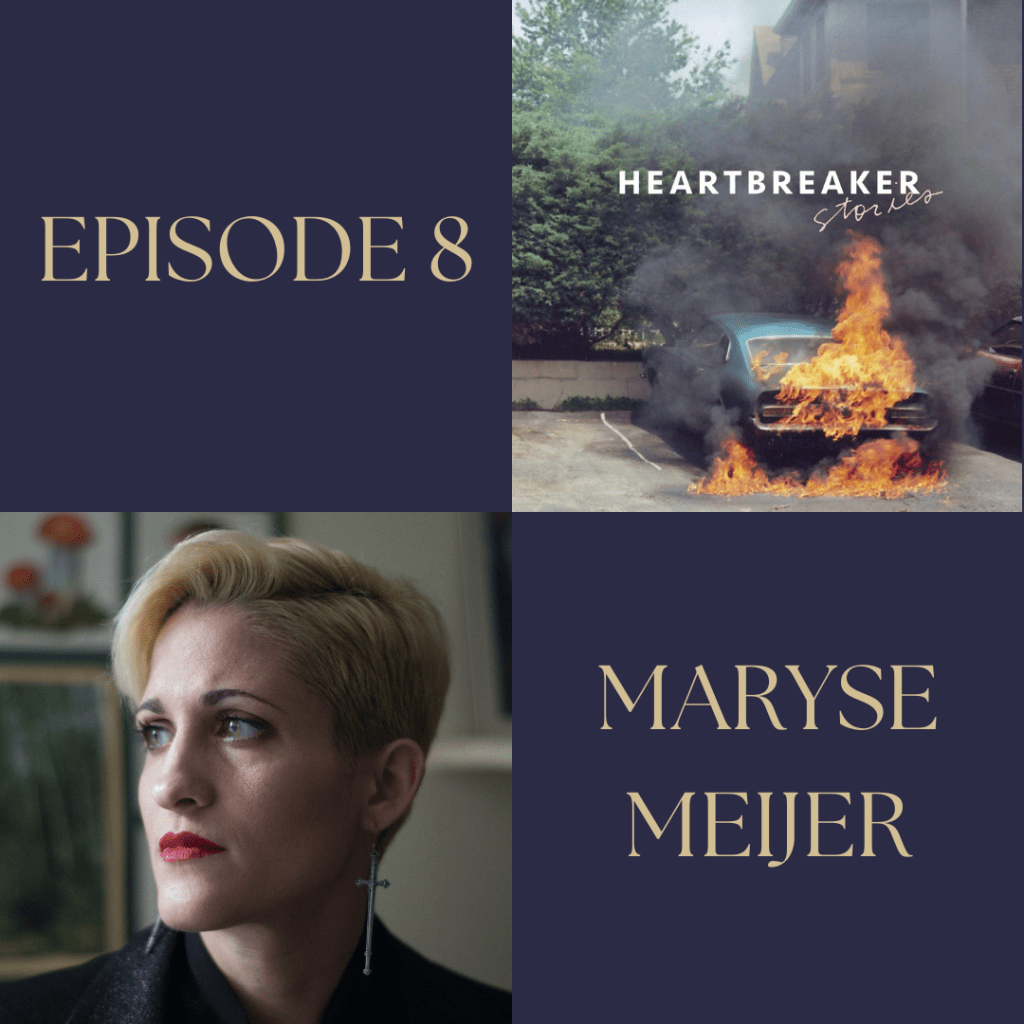
Hawksmoor, by Peter Ackroyd (1989) Dark Entries, by Robert Aickman (1964) We Are Here to Hurt Each Other, by Paula D. Ashe (2022) This Mortal Coil, by Cynthia Asquith (1947) The Damnation Game, by Clive Barker (1985) Tender is the Flesh, by Agustina Bazterrica (2017; 2020 translation by Sarah Moses) The Listener and Other Stories, by Algernon Blackwood (1907) The Scarf, by Robert Bloch (1947/1966) Something Wicked This Way Comes, by Ray Bradbury (1962) Long After Midnight: 22 Hauntings and Celebrations, by Ray Bradbury (1976) Wieland; or, The Transformation: An American Tale, by Charles Brockden Brown (1798) Ancient Images, by Ramsey Campbell (1989) The King in Yellow, by Robert W. Chambers (1895) The Juniper Tree, by Barbara Comyns (1985) The Breaking Point, by Daphne du Maurier (1959) Don’t Look Now, by Daphne du Maurier (1971) The Between, by Tananarive Due (1995) The Pines, by Robert Dunbar (1989) American Psycho, by Bret Easton Ellis (1991) Lunar Park, by Bret Easton Ellis (2005) I Have No Mouth & I Must Scream, by Harlan Ellison (1967) The Collector, by John Fowles (1963) Aura, by Carlos Fuentes (1962; 1986 translation by Lysander Kemp) Something Stirs, by Charles L. Grant (1991) Red Dragon, by Thomas Harris (1981) Twice-Told Tales, by Nathaniel Hawthorne (1837) The House of the Seven Gables, by Nathaniel Hawthorne (1851) The Woman in Black, by Susan Hill (1983) The House on the Borderland, by William Hope Hodgson (1908) The Private Memoirs and Confessions of a Justified Sinner, by James Hogg (1824) The Damned, by Joris-Karl Huysmans (1891) The Lottery and Other Stories, by Shirley Jackson (1949) Hangsaman, by Shirley Jackson (1951) The Sundial, by Shirley Jackson (1958) The Haunting of Hill House, by Shirley Jackson (1959) We Have Always Lived in the Castle, by Shirley Jackson (1962) Ghost Stories of Henry James, by Henry James (2008, edited by Martin Schofield) Ghost Stories of an Antiquary, by M. R. James (1904) Blood Secrets, by Craig Jones (1978) Uzumaki, by Junji Ito (2000; 2013 translation by Yuji Oniki) The Girl Next Door, by Jack Ketchum (1989) The Red Tree, by Caitlín R. Kiernan (2009) Carrie, by Stephen King (1974) ‘Salem’s Lot, by Stephen King (1975) The Shining, by Stephen King (1977) Cujo, by Stephen King (1981) Pet Sematary, by Stephen King (1983) It, by Stephen King (1986) Full Dark, No Stars, by Stephen King (2010) And Her Smile Will Untether the Universe, by Gwendolyn Kiste (2017) The Ceremonies, by T. E. D. Klein (1984) The Cipher, by Kathe Koja (1991) Bad Brains, by Kathe Koja (1992) Skin, by Kathe Koja (1993) Conjure Wife, by Fritz Leiber (1943) The Fifth Child, by Doris Lessing (1988) Rosemary’s Baby, by Ira Levin (1967) The Stepford Wives, by Ira Levin (1972) The Monk: A Romance, by Matthew Gregory Lewis (1796) Songs of a Dead Dreamer and Grimscribe, by Thomas Ligotti (2015) The Hounds of Tindalos, by Frank Belknap Long (1946) Tales of H. P. Lovecraft, by H. P. Lovecraft (2007, edited by Joyce Carol Oates) The House of Souls, by Arthur Machen (1906) Burnt Offerings, by Robert Marasco (1973) The Beetle, by Richard Marsh (1897) I Am Legend, by Richard Matheson (1954) Shock!, by Richard Matheson (1961) Melmoth the Wanderer, by Charles Robert Maturin (1820) Child of God, by Cormac McCarthy (1973) Toplin, by Michael McDowell, (1985) Heartbreaker, by Maryse Meijer (2016) The Seventh Mansion, by Maryse Meijer (2020) Strange is the Night, by S. P. Miskowski (2017) Beloved, by Toni Morrison (1987) Zombie, by Joyce Carol Oates (1995) Jack of Spades, by Joyce Carol Oates (2015) Widdershins, by Oliver Onions (1911) Selected Writings of Edgar Allan Poe, by Edgar Allan Poe (1956, edited by Edward H. Davidson) The Mysteries of Udolpho, by Ann Radcliffe (1794) Interview with the Vampire, by Anne Rice (1976) Traplines, by Eden Robinson (1996) The Subjugated Beast, by R. R. Ryan (1938) The Room, by Hubert Selby Jr. (1971) The Demon, by Hubert Selby Jr. (1976) New Stories from the Twilight Zone, by Rod Serling (1965) Frankenstein; or, the Modern Prometheus, by Mary Shelley (1818) The House Next Door, by Anne Rivers Siddons (1978) The Dark Eidolon and Other Fantasies, by Clark Ashton Smith (2014, edited by S. T. Joshi) Strange Case of Dr. Jekyll and Mr. Hyde, by Robert Louis Stevenson (1886) Dracula, by Bram Stoker (1897) Julia, by Peter Straub (1975) Ghost Story, by Peter Straub (1979) Koko, by Peter Straub (1988) Houses without Doors, by Peter Straub (1990) The Other, by Thomas Tryon (1971) Ghosts, by Edith Wharton (1937) The Picture of Dorian Gray, by Oscar Wilde (1890) The Island of Doctor Moreau, by H. G. Wells (1896) The Invisible Man, by H. G. Wells (1897) The Sailor Who Fell from Grace with the Sea, by Yukio Mishima (1963)
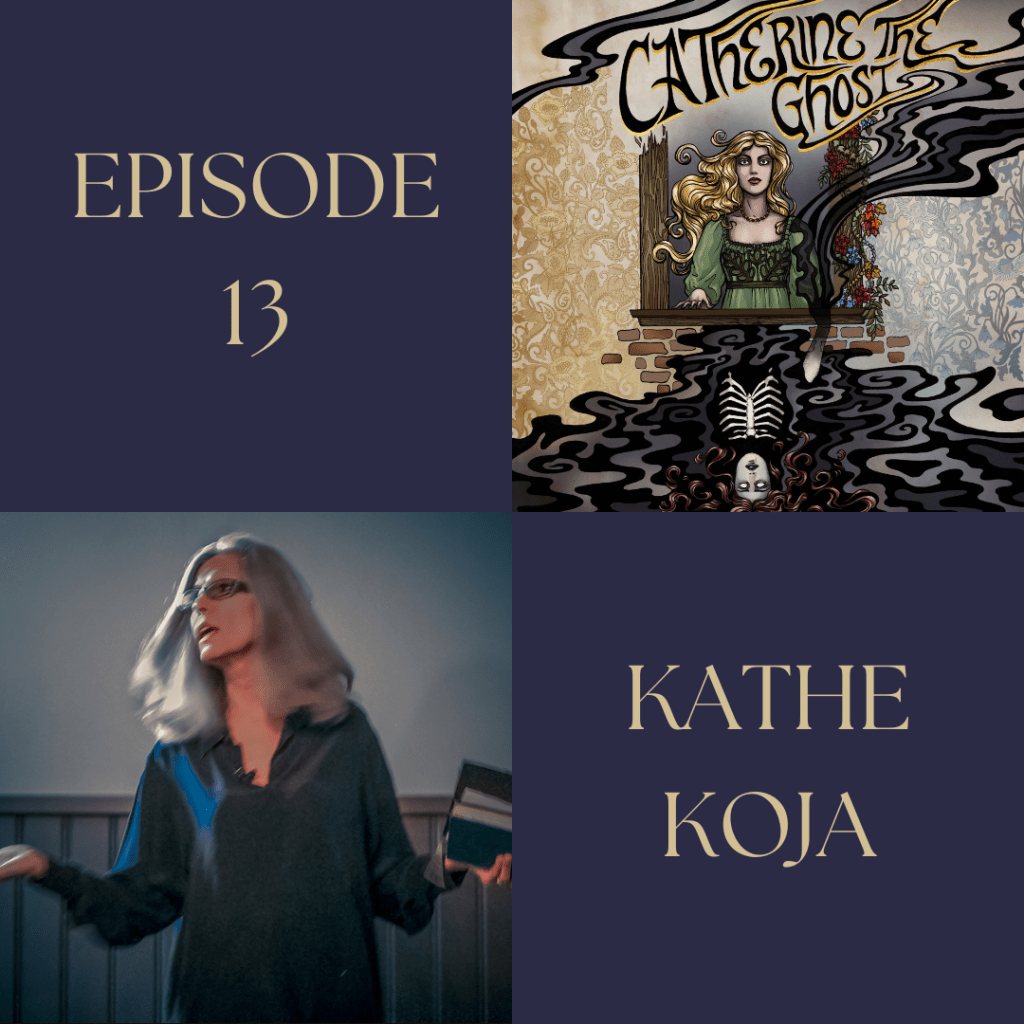
In this interview, we chat with Kathe Koja about balancing simultaneous projects, resisting online distractions, raising the literary dead, and so much more.
Kathe Koja writes novels and short fiction, and creates and produces live and virtual events. Her award-winning books include The Cipher, Skin, Buddha Boy, Under The Poppy and Velocities, and she is currently at work on the Dark Factory immersive fiction project including Dark Factory, Dark Park and Dark Matter. Catherine the Ghost is her newest novel.
Mike Thorn joins Vince Midgard on The Dark Mind Podcast to discuss his recent novel Shelter for the Damned.
They discuss the themes and inspirations behind the book, including the exploration of the Jungian shadow and the ambiguity of supernatural versus psychological elements. They also touch on Thorn’s previous work, Darkest Hours, his podcast Craftwork, and his experiences as a writer. The conversation concludes with Thorn sharing his love for reading, the importance of maintaining a healthy lifestyle, and his upcoming projects.
“Over the past few years I’ve had the privilege of enjoying an ongoing dialogue with one of my major creative influences, award-winning writer Kathe Koja. Two years ago, she and I discussed genre and process during the virtual launch for my second short story collection, Peel Back and See. Last year, we discussed our work’s relationship with cinema for In Review Online. While brainstorming about topics for future conversations, we decided to pursue the concept of numinosity: its permutations in literature in film and the role it plays in our own creative projects. This article is the result of our email thread on the subject.”










 Mike Thorn