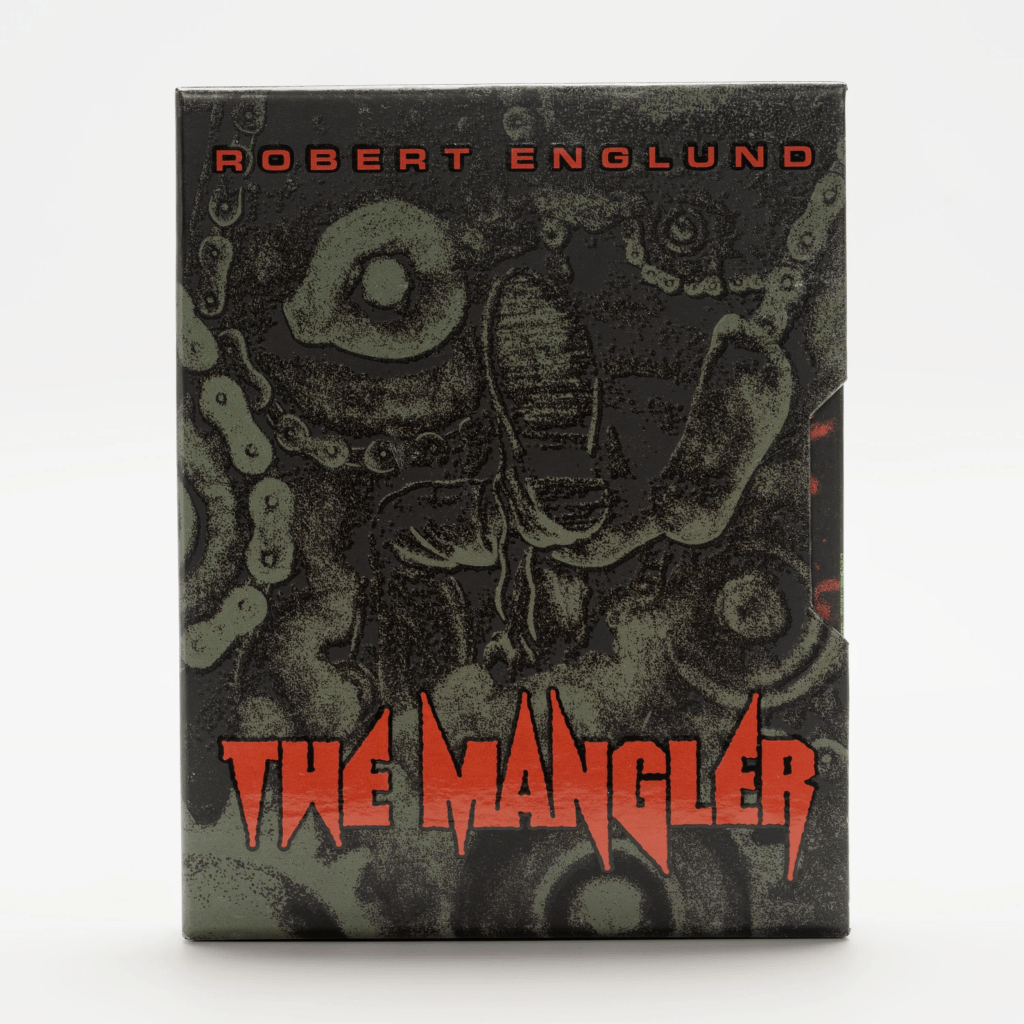
New essay on The Mangler in Vinegar Syndrome Limited Edition 4K booklet

Order The Mangler (Vinegar Syndrome Limited Edition 4K).

From the minds of horror master Tobe Hooper (The Texas Chain Saw MassacrePoltergeist) and writer Stephen King (The Shining) comes a terrifying and darkly comedic vision of technology gone mad: THE MANGLER (1995). Starring horror legend Robert Englund (A Nightmare on Elm Street), along with Ted Levine (The Silence of the Lambs), and voice work by actor Jim Cummings (Winnie the Pooh). Packed with outrageously gory and bizarre set pieces along with impressive visual effects, Vinegar Syndrome is excited to present the UHD debut of this supremely strange and entertaining 90s horror classic, presented in a stunning new 4K restoration of its original 35mm camera negative, in its extra gruesome unrated version, and loaded with extras including an extended new making-of documentary featuring interviews with cast and crew.

directed by: Tobe Hooper
starring: Robert Englund, Ted Levine, Daniel Matmor, Jeremy Crutchley, Vanessa Pike
1995 / 106 min / 1.85:1 / English 5.1 Surround + 2.0 Stereo

Additional info:

  • 2-disc Set: 4K Ultra HD / Region A Blu-ray
  • 4K UHD presented in Dolby Vision High-Dynamic-Range
  • Newly scanned & restored in 4K from its 35mm original camera negative
  • New commentary track with editor David Heitner and film critic Alison Foreman
  • New commentary track with film critic Scout Tafoya
  • “Waking a Brutal Beast” (46 min) – a brand new making-of documentary featuring interviews with writer Stephen David Brooks, actors Robert Englund and Jeremy Crutchley, and special effects team Scott Coulter, Scott Wheeler, and Todd Masters
  • Behind-the-scenes footage
  • Still gallery
  • Theatrical trailer
  • TV spot
  • 40-page perfect-bound book with writing by Mike Thorn, Chris Cabin, and Ariel Esteban Cayer (limited edition only)
  • Reversible sleeve artwork
  • English SDH subtitles

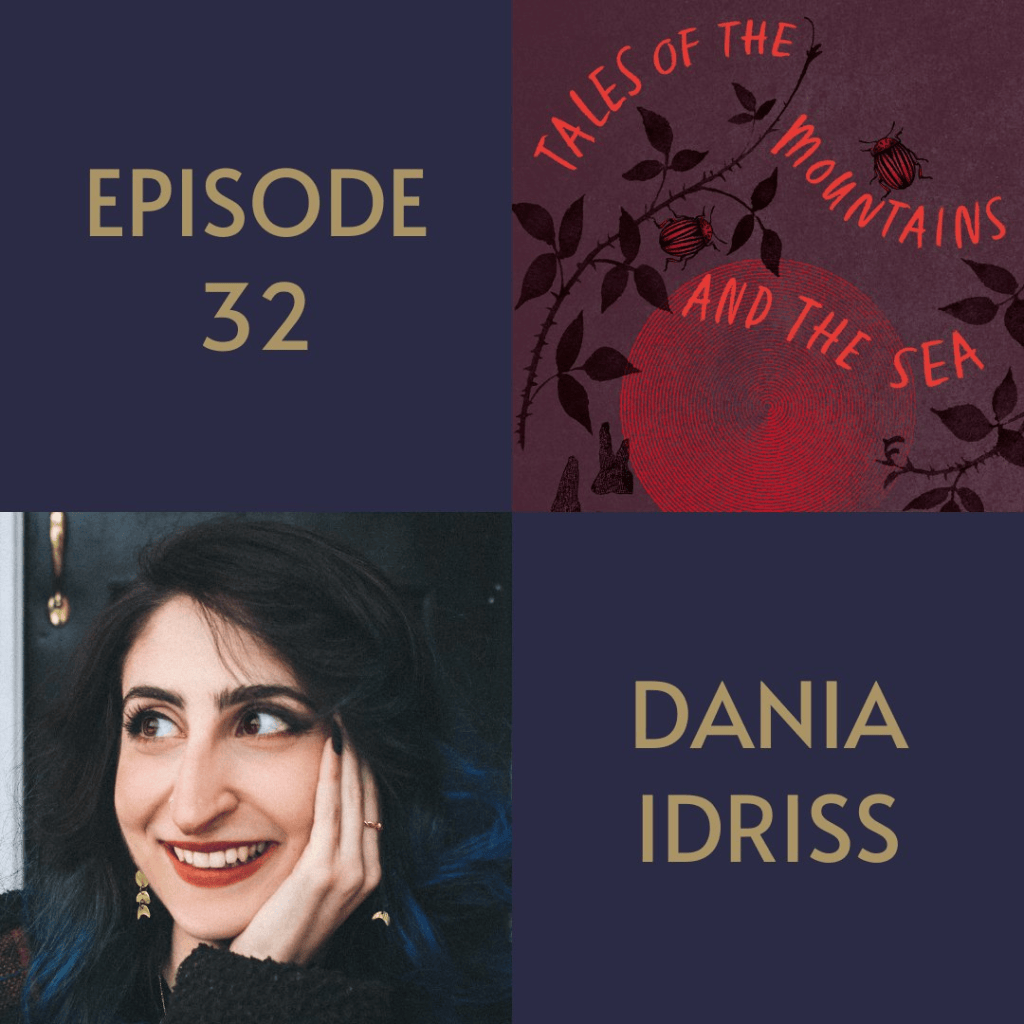
Craftwork Episode 32: Gothic Spaces, Familial Secrets, & Diasporic Perspectives w/ Dania Idriss

Listen to Craftwork Episode 32: Gothic Spaces, Familial Secrets, & Diasporic Perspectives w/ Dania Idriss

In this interview, we chat with Dania Idriss about representing human cruelty, finding creative nourishment in academic conferences, spending time in “writing jail”, and so much more.  

Dania Idriss (she/her) is a Lebanese-Canadian author and a doctoral candidate in the Department of English at the University of Calgary. She (currently) gratefully lives and works on the traditional territory of Treaty 7, with her writing focusing on global literatures, particularly Arabic speculative fiction. Her first book, a collection of horror stories titled Tales of the Mountains and the Sea, was released by Freehand Books in May 2026. Dania teaches speculative fiction and global literatures at the Alberta University of the Arts and the University of Calgary. She enjoys all things spooky, warm sweaters, and spending time with her bunny, Arlo.  

Books and stories mentioned in this episode: 

  • Human Sacrifices — María Fernanda Ampuero  
  • American War; One Day, Everyone Will Have Always Been Against This — Omar El Akkad 
  • The Woman in White — Wilkie Collins 
  • David Copperfield; Great Expectations; The Old Curiosity Shop — Charles Dickens 
  • The Haunting of Hill House; The Sundial; We Have Always Lived in the Castle — Shirley Jackson 
  • The Monk — Matthew Gregory Lewis 
  • Forgotten Journey; Thus Were Their Faces — Silvina Ocampo 
  • “Brokeback Mountain” — Annie Proulx 
  • Harry Potter series — J. K. Rowling 
  • Frankenstein — Mary Shelley 
  • Dracula — Bram Stoker 
  • “Hair” — Mike Thorn 
  • The Castle of Otranto — Horace Walpole 
  • Lolly Willowes — Sylvia Townsend Warner 

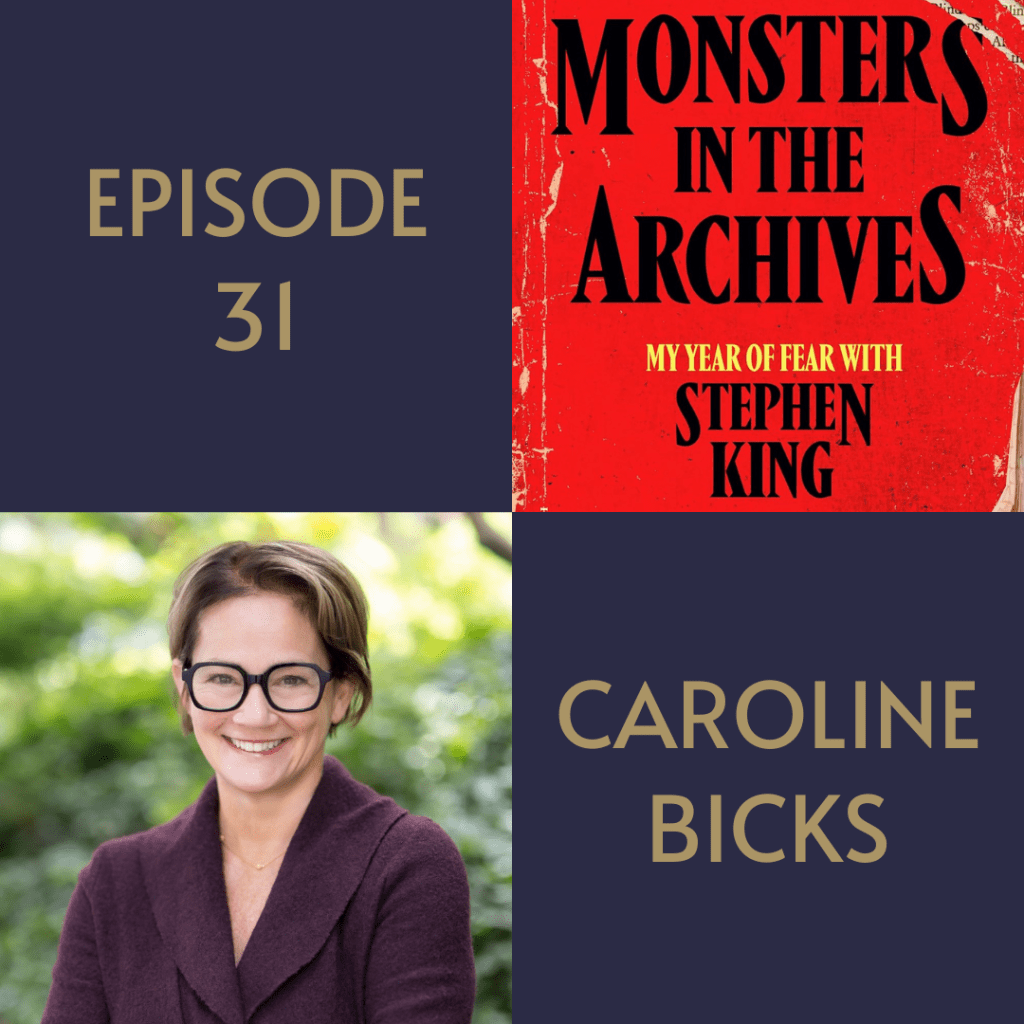
Craftwork Episode 31: Shakespearean Themes, Wang WPS Mishaps, & Stephen King’s Revisions w/ Caroline Bicks

Listen to Craftwork Episode 31: Shakespearean Themes, Wang WPS Mishaps, & Stephen King’s Revisions w/ Caroline Bicks.

In this interview, we chat with Caroline Bicks about combatting AI in the classroom, words clanging on readers’ ears, the uniquely portable magic of fiction, and so much more.

Caroline Bicks is the author of several academic books, including Cognition and Girlhood in Shakespeare’s World and Midwiving Subjects in Shakespeare’s England. After she was named the University of Maine’s inaugural Stephen E. King Chair in Literature, she became the first scholar to be granted extended access by Stephen King to his private archive. In her most recent book, Monsters in the Archives: My Year of Fear with Stephen King, Bicks documents her exploration of King’s early drafts and hand-written revisions, and her conversations with King about those changes. Her popular writing has appeared in the Modern Love column of the New York Times and McSweeney’s Internet Tendency. She is the co-host of the Everyday Shakespeare podcast.

Books, plays, stories, and poems mentioned in this episode:

  • The Wizard of Oz — L. Frank Baum  
  • I Know a Place: Rest Stop and Other Dark Detours — Nat Cassidy 
  • “Cherrylog Road” — James Dickey  
  • “The Boogeyman”; Carrie; Cell; “Children of the Corn”; Christine; Cujo; Danse Macabre; “The Dark Man”; The Dead Zone; Insomnia; It; “Jerusalem’s Lot”; Lisey’s Story; The Long Walk; Misery; Night Shift;  “Night Surf”; On Writing: A Memoir of the Craft; Pet Sematary; Rage; ‘Salem’s Lot; The Shining; The Stand; “Strawberry Spring” — Stephen King 
  • Bird by Bird: Some Instructions on Writing and Life — Anne Lamott 
  • Edward II — Christopher Marlowe 
  • North Woods — Daniel Mason 
  • A Swim in the Pond in the Rain — George Saunders 
  • Hamlet; Henry IV, Part I; Henry IV; Part II; Henry V; Henry VI, Part I; Henry VI, Part II; Henry VI, Part III; Macbeth; Richard II; Richard III; Romeo and Juliet — William Shakespeare 
  • Charlotte’s Web — E. B. White 
  • Our Town — Thornton Wilder 
  • How Fiction Works — James Wood 

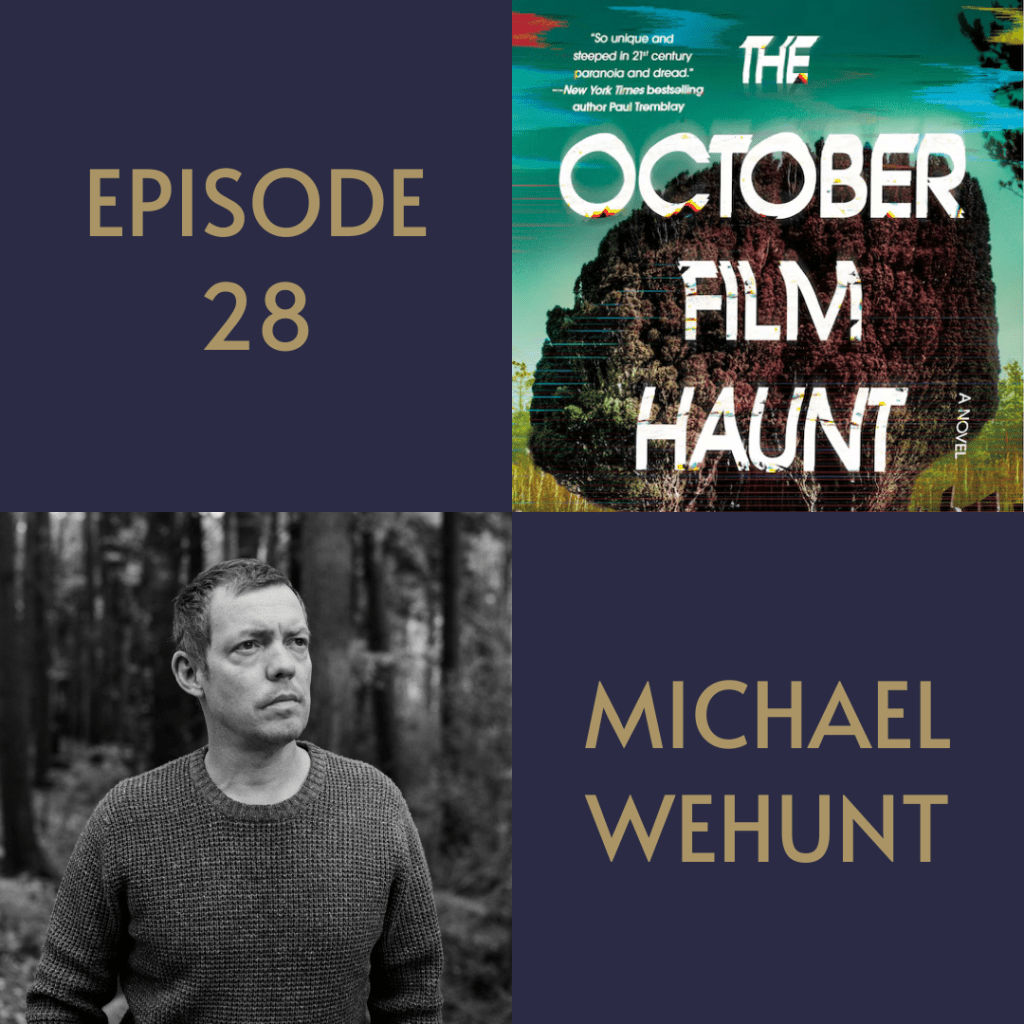
Craftwork Episode 28: Earthy Language, Scary Cupids, & Lunar Portrayals w/ Michael Wehunt

Listen to Craftwork Episode 28: Earthy Language, Scary Cupids, & Lunar Portrayals w/ Michael Wehunt.

In this interview, we chat with Michael Wehunt about the administrative side of professional writing, the unanticipated weirdness of public selfhood, the “moment before the moment”, and so much more.   

Michael Wehunt has been a finalist for the Bram Stoker Award, multiple Shirley Jackson Awards, and the International Association for the Fantastic in the Arts’ Crawford Award. In Spain, his translated works have garnered nominations for the Premio Ignotus and Premio Amaltea, winning the latter. He haunts the woods of Decatur, Georgia, with his partner and their dog. Together, they hold the horrors at bay. Most recently, he is the author of the novels The October Film Haunt and Nightjars.  

Books and poems mentioned in this episode:   

  • Ancient Images; The Grin of the Dark; Incarnate — Ramsey Campbell 
  • Generation X: Tales for an Accelerated Culture — Douglas Coupland 
  • Poems 1962-2020 — Louise Glück 
  • Carrie — Stephen King 
  • Beings — Ilana Masad 
  • The God of the Woods; Long Bright River — Liz Moore 
  • Ghost Wall; Ripeness — Sarah Moss 
  • The Violent Bear it Away — Flannery O’Connor 
  • “Archaic Torso of Apollo” — Rainer Maria Rilke
  • Coffin Moon — Keith Rosson 

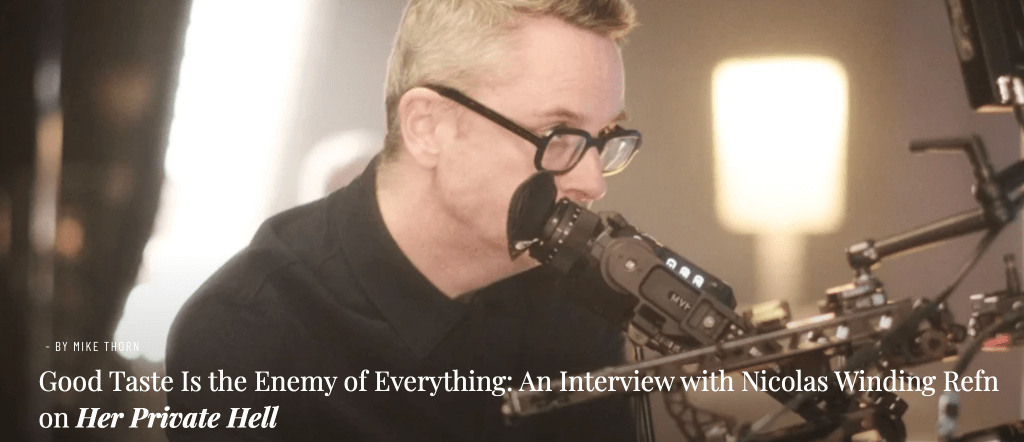
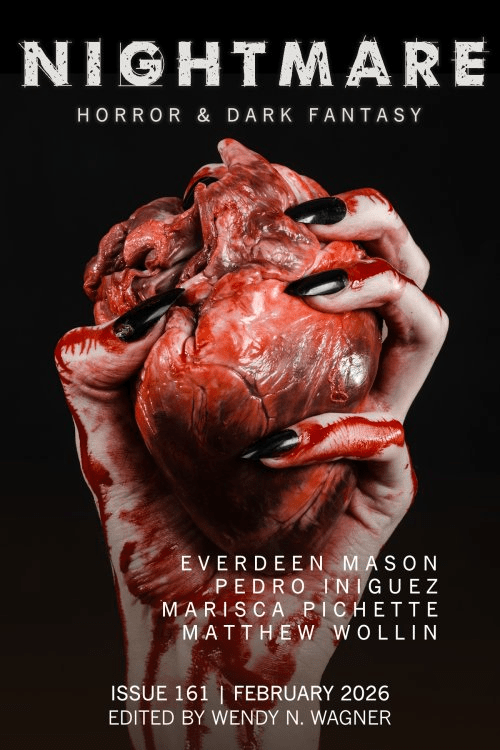
New essay, “Plumbing the Depths: Haunted Writers and Haunted Writings,” in Nightmare Magazine

“I propose that horror literature, by definition, hinges on this vexed dialectic, between the affective destruction of thought and the creative process of thought (specifically, of cognizing the incognizable: the supernatural, the numinous, the unseen, the illegible). Within this dialectic, the horror writer oscillates between helpless prey to horror and the creative agent of horror.”

Read the full essay.

Craftwork Episode 27: Indie Publishing, Intentional Ambiguity, & the Tyranny of Structure w/ Daniel Braum

Listen to Craftwork Episode 27: Indie Publishing, Intentional Ambiguity, & the Tyranny of Structure w/ Daniel Braum.

In this interview, we chat with Daniel Braum about exploring the ecology of the supernatural, finding inspiration in liminal spaces, cultivating a sense of awe, and so much more.  

Daniel Braum writes short stories that explore the tension between the psychological and the supernatural. He intentionally adopts the term “strange tales” for his “Twilight Zone-like stories in homage to author Robert Aickman and the intentional ambiguities of his work. His latest collection is Phantom Constellations: Strange Tales and Ghost Stories from Cemetery Dance Publications (2025). His stories appear in places ranging from The Best Horror of the Year Volume 12, edited by Ellen Datlow, and Shivers 8, edited by Richard Chizmar.

Books and stories mentioned in this episode:  

  • Cold Hand in Mine — Robert Aickman  
  • The Artist’s Way — Julia Cameron 
  • Ancient Images; The Hungry Moon  — Ramsey Campbell 
  • “Plunged in the Years” — Jeffrey Ford 
  • “Children of the Corn” — Stephen King 
  • The Ceremonies — T. E. D. Klein 
  • Beginnings, Middles & Ends — Nancy Kress 
  • Dreams of Dark and Light — Tanith Lee 
  • Rosemary’s Baby; The Stepford Wives — Ira Levin 
  • Story — Robert McKee 
  • Conjunctions 83: The Ghost Issue — Joyce Carol Oates and Bradford Morrow, eds.
  • The Jaguar Hunter — Lucius Shepard 
  • Shadowland — Peter Straub 
  • Conjunctions 39: The New Wave Fabulists — Peter Straub, ed.
  • Harvest Home — Thomas Tryon 
  • The Writer’s Journey: Mythic Structure for Writers — Chris Vogler 

25 Favorite First-Time Reads of 2025

One per author, chronologically organized.

Northanger Abbey, by Jane Austen (1817)
The Moonstone, by Wilkie Collins (1868)
The Island of Dr. Moreau, by H. G. Wells (1896)
What Maisie Knew, by Henry James (1897; 1908 New York Edition)
The House of Souls, by Arthur Machen (1906)
Widdershins, by Oliver Onions (1911)
Summer, by Edith Wharton (1917)
Tales of the Jazz Age, by F. Scott Fitzgerald (1922)
The Maltese Falcon, by Dashiell Hammett (1930)
Strangers on a Train, by Patricia Highsmith (1950)
The Nothing Man, by Jim Thompson (1954)
A Severed Head, by Iris Murdoch (1961)
Aura, by Carlos Fuentes (1962)
Slouching Towards Bethlehem, by Joan Didion (1968)
Sula, by Toni Morrison (1973)
The Coherence of Gothic Conventions, by Eve Kosofsky Sedgwick (1980)
Bad Behavior, by Mary Gaitskill (1988)
Ancient Images, by Ramsey Campbell (1989)
Blonde, by Joyce Carol Oates (2000)
Border Crossing, by Pat Barker (2001)
These Truths: A History of the United States, by Jill Lepore (2018)
The Best of Both Worlds, by S. P. Miskowski (2020)
Hi, It’s Me, by Fawn Parker (2024)
Dark Matter, by Kathe Koja (2025)
Wreckage / What Happens in Hello Jack, by Peter Straub (2025)

MONSTRUM 8.2: Vegan and Animal Liberation Horror, guest edited by Mike Thorn (read now!)

Monstrum vol. 8, issue 2 is now available!

Guest-edited by horror scholar and fiction writer Mike Thorn, this robust issue presents six feature essays, two works of original fiction, a dossier of retrospective reviews, and two essays in our student forum. Feature essays cover both literature and the moving image from a broad range of perspectives. From reorienting human and more-than-human animal perspectives in the essays by Poulomi Choudhury, Dru Jeffries, and Britt MacKenzie-Dale, to epistemological and ontological shifts in the way we think of human and more than-human ecologies in the essays by Zoë Anne Laks, Jenni Makahnouk, and William Taylor, and the Introduction by Mike Thorn, the contributions to this special issue explore the challenge of thinking beyond harmful anthropocentric and hegemonic capitalist world systems.

For the first time, this issue of Monstrum includes original fiction. In “The Playground,” celebrated horror author Kathe Koja (The CipherUnder the PoppyStraydog) traces a shift in ecological sensibility to what might be called a necessary violence. And with “Cogno,” Mike Thorn (Darkest HoursPeel Back and See) brings us into the terrifying world of tech-bro longevity at the expense of … maybe everything. 

A selection of retrospective reviews considers literary and cinematic texts that strive to reorient human and nonhuman animal perspectives, including a critical reassessment of the (anti-)anthropocentrism in Nobel laureate Olga Tokarczuk’s novel Drive Your Plow Over the Bones of the Dead (2018), the vegan aesthetic of Rob Zombie’s films via House of 1000 Corpses (2003), and the brutal struggle against becoming-animal in Stuart Gordon’s grim King of the Ants (2003).

The student forum includes two essays by emerging scholars that continue the issue’s investigations of radical otherness. A product of the SSHRC-funded “Horror Ecologies” workshop by CORERISC held in summer 2024 at Dawson College, Emerson Reault’s essay reads Ginger Snaps as a trans allegory, reconsidering the film’s metaphorical “curse” as less one of becoming a woman, than that of an understanding of one’s embodiment. In their essay, Luka Romney looks at radical empathy for the “animal” Other via Julia Kristeva’s concept of herethics in two of Larry Cohen’s most provocative 1970s films, It’s Alive! (1976) and It Lives Again (1978).

Create a website or blog at WordPress.com

Up ↑