Toxic Masculinity and Empathetic Comedy: Martin Scorsese’s ‘Alice Doesn’t Live Here Anymore’

Unknown's avatarVague Visages (Vawg-Vee-Sawj)

alice-doesnt-live-here-anymore-two

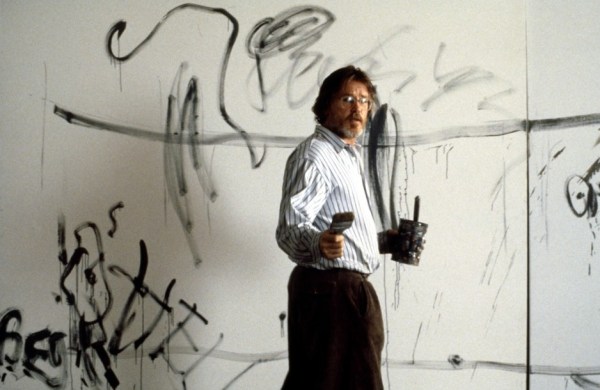
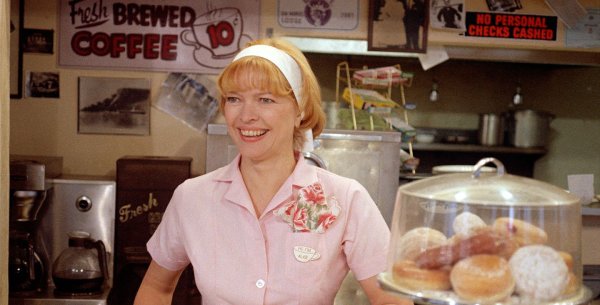
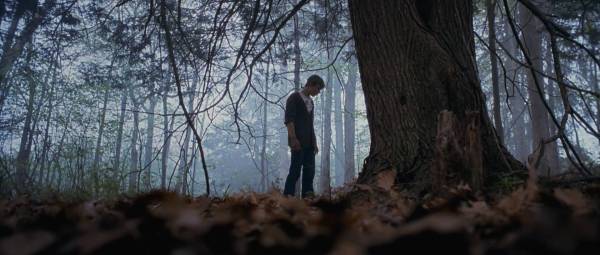
While revisiting Alice Doesn’t Live Here Anymore for the first time in over 10 years, I was struck by two realizations. First, it suddenly dawned on me that throughout his career, Martin Scorsese has most consistently been a director of character-oriented drama. While this might seem a rather obvious observation to some, it is easy to see Scorsese first as a cinema historian who makes cinema about itself, or as a versatile director of genre pictures. While these latter two attributes do inform his work, I’ve noticed with a recent slew of retrospective viewings that the auteur concerns himself always with the study of character above else. The second realization I had was that while Scorsese’s filmography has repeatedly returned to the subject of violent masculinity, Alice Doesn’t Live Here Anymore is the first and last film in which he has approached the subject primarily from a woman’s perspective. Indeed…

View original post 1,001 more words

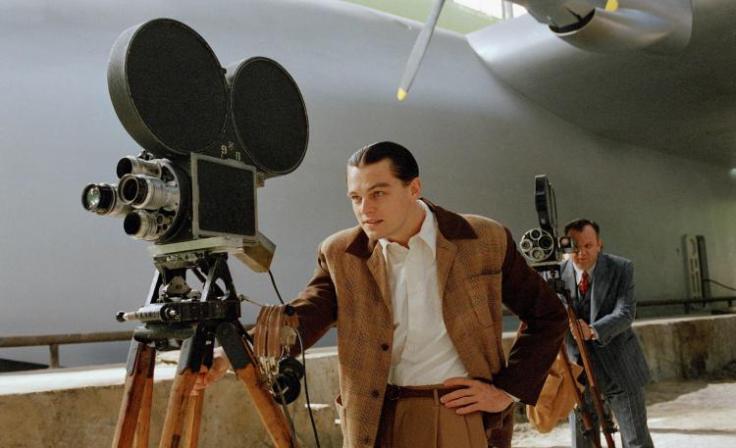
The Way of the Future: The Connections Between Martin Scorsese’s ‘Raging Bull’ and ‘The Aviator’

Read my newest film article in Vague Visages:

Unknown's avatarVague Visages (Vawg-Vee-Sawj)

the-aviator-movie-four

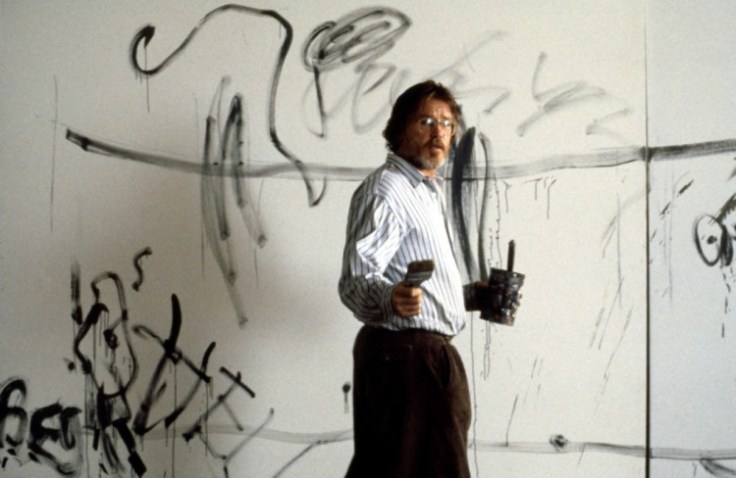
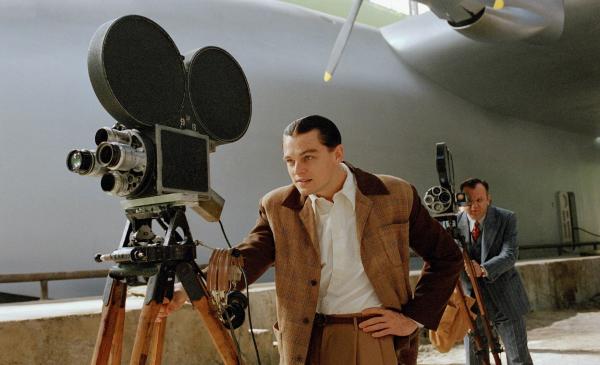
Martin Scorsese’s latest film Silence reportedly continues the thematic thread of faith that began with The Last Temptation of Christ (1988) and continued with Kundun (1997). Looking back at the auteur’s career (now nearly half a century long), it’s easy to identify a number of recurring fixations and impulses. The director has always shown expertise at representing subject experience through form (from the unharnessed camera movement and woozy voice-over of Mean Streets [1973] to the hyper-discordant editing of The Wolf of Wall Street [2013]). Scorsese rarely employs a shot or a cut simply for the purpose of documentation or function, focusing much more instead on the connection between technique and subject. That the director’s technique so often draws in a tapestry of endless music cues (e.g. GoodFellas [1990] and Casino [1995]) or period details (e.g. The Age of Innocence [1993] and Gangs of New York [2002]) speaks to the ways in…

View original post 1,360 more words

James Benning’s ‘Stemple Pass’: Minimalist Horror for Trump’s America

Unknown's avatarVague Visages (Vawg-Vee-Sawj)

stemple-pass-one

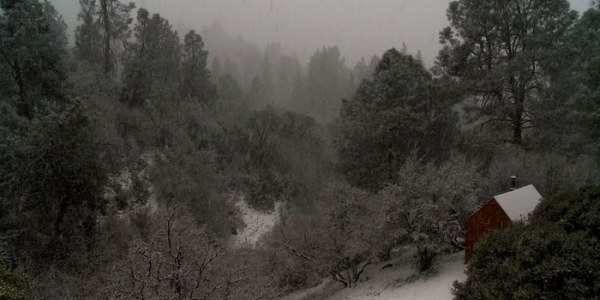
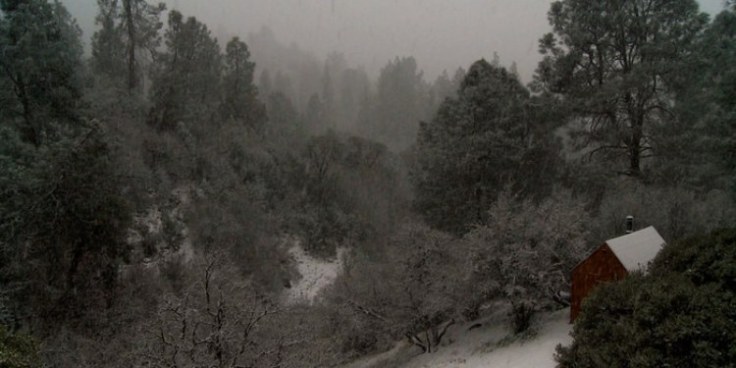
Although President Elect Donald Trump has not yet been sworn into office, the term “Trump’s America” has already become a usual suspect in film criticism. Indeed, it’s difficult to avoid reflecting on this seismic political event when viewing contemporary American films. Recently, I’ve found myself thinking back to James Benning’s Stemple Pass, an experimental film released in 2012 (incidentally, midway through Barack Obama’s eight-year presidency). Benning’s film deals with distinctly American subject matter, and those sociopolitical fixations warrant close analysis. Those fixations include the obsessive lust for “returning to the past,” an intensifying fear of the outsider and the tenuous connection between the human and the nonhuman (this last topic underpins issues like factory farming and capital expansion at the cost of environmental damage).

I caution against referring to Stemple Pass simply as a work of “non-narrative” cinema, because its progression is so rigorously and specifically designed. The film…

View original post 642 more words

New Publications

My new absurdist fantasy story “Mired” has just been accepted into Double Feature Magazine’s upcoming December issue! Also look for my new ghost story “Remembering Absence” in the second fall issue of Straylight Literary Magazine, scheduled for a December release.

Finally, you can now read my newest article “George Lucas’s Wildest Vision: Retrofuturist Auteurism in Star Wars Episode II: Attack of the Clones (2002)” in Bright Lights Film Journal.

More news soon!

Read Mike Thorn’s Work

Pre-order DarkFuse #5 here to read my most recent story, “Hair.”

Order Creepy Campfire Stories (for Grownups) here to read my story “Long Man.”

More fiction coming soon in Straylight Literary Magazine and Polar Borealis Magazine. Nonfiction will be featured in Thinking Horror, Volume 2 (coming soon). 

Keep checking back for future publications and updates!

Create a website or blog at WordPress.com

Up ↑