Mike Thorn is the author of Shelter for the Damned, Darkest Hours, and Peel Back and See. His fiction has appeared in numerous magazines, anthologies and podcasts, including Vastarien, Dark Moon Digest, The NoSleep Podcast, and Tales to Terrify. His essays and articles have been published in American Twilight: The Cinema of Tobe Hooper (University of Texas Press), MUBI Notebook, The Film Stage, and elsewhere.
Mike Thorn joins Vince Midgard on The Dark Mind Podcast to discuss his recent novel Shelter for the Damned.
They discuss the themes and inspirations behind the book, including the exploration of the Jungian shadow and the ambiguity of supernatural versus psychological elements. They also touch on Thorn’s previous work, Darkest Hours, his podcast Craftwork, and his experiences as a writer. The conversation concludes with Thorn sharing his love for reading, the importance of maintaining a healthy lifestyle, and his upcoming projects.
In this interview, we chat with Lisa Tuttle about genre history, the ideal protagonist, Harlan Ellison’s writing advice, and so much more.
Lisa Tuttle was born and raised in Austin, Texas, and moved to Britain in the 1980s. Her first novel, Windhaven, co-written with George R.R. Martin, was followed by over a dozen fantasy, science fiction, and horror novels, including three recent books set in the 1890s combining crime and supernatural fiction, featuring the detective duo Jasper Jesperson and Miss Lane; the third volume, The Curious Affair of the Missing Mummies, was published last year. She has also written hundreds of award-winning short stories collected in several volumes, including A Nest of Nightmares, The Dead Hours of the Night, and most recently, Riding the Nightmare. She is the author of The Encyclopedia of Feminism (1986) and currently writes a monthly science fiction review column for The Guardian. She lives with her husband and their daughter in Scotland.
Book and stories mentioned in this episode:
The Saint of Bright Doors – Vajra Chandrasekera
Shirley Jackson: A Rather Haunted Life – Ruth Franklin
Hangsaman; The Haunting of Hill House; “The Lottery” – Shirley Jackson
The MANIAC; When We Cease to Understand the World – Benjamín Labatut
Biography of X – Catherine Lacey
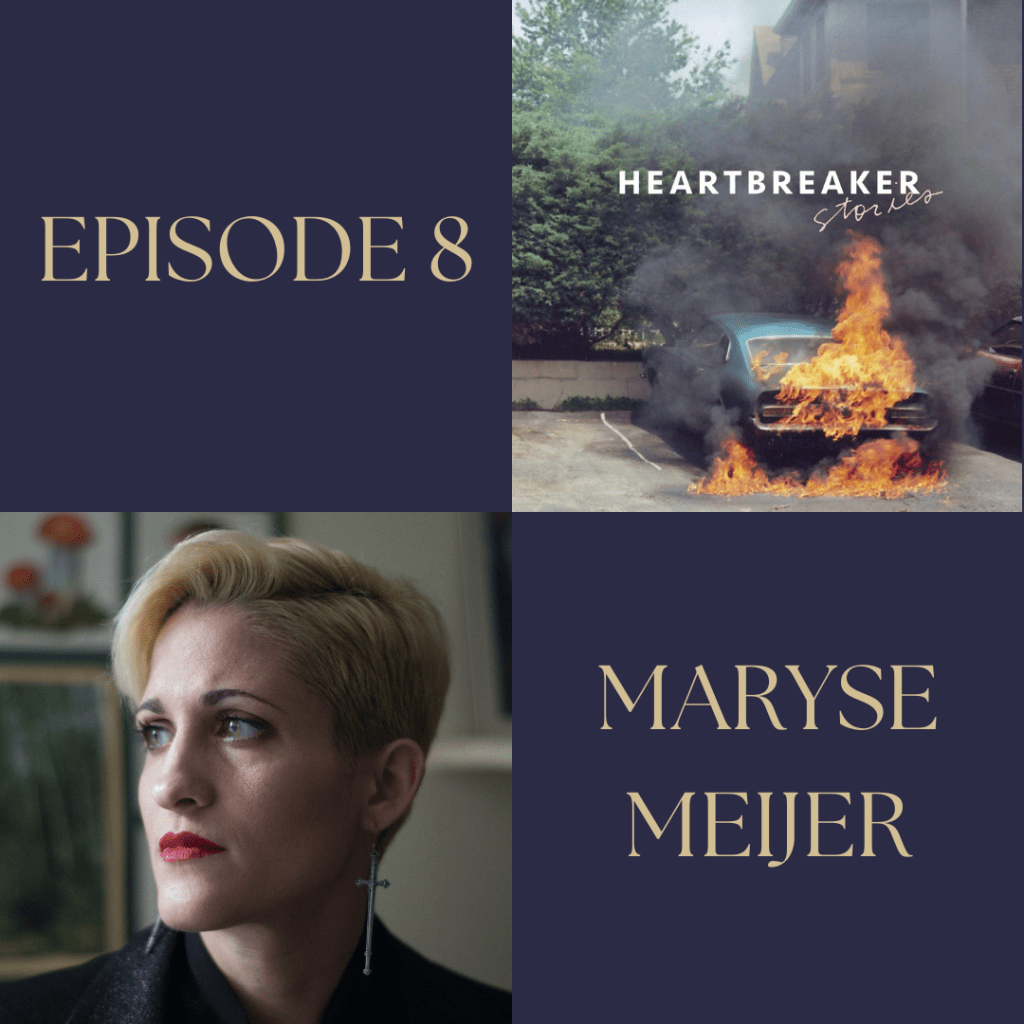
The Seventh Mansion – Maryse Meijer
Babysitter; By the North Gate; They; The Wheel of Love – Joyce Carol Oates
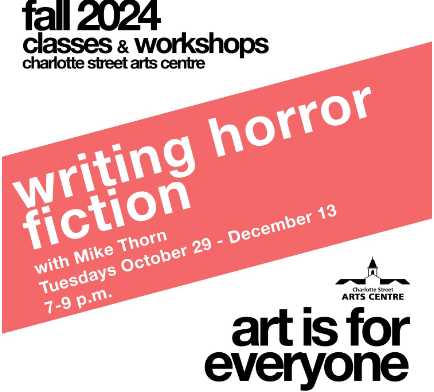
This course will engage with horror literature’s legacies and unique capacities for catharsis, allegory, and personal expression. We will discuss what scares us and investigate the psychology of fear within the context of fiction, digging into the nuts-and-bolts processes of generating fear in the reader. We will explore the wide range of horror’s subgenres and aesthetic possibilities, looking at tropes, traditions, and metaphors as opportunities for creative openings rather than restrictions. We will discuss the importance of atmosphere, point-of-view, and convincing characterization. Drawing on insights and fiction by some of horror literature’s most important and exciting figures, we will dive into the genre with a focus on craft and technique.
Date: Tuesdays, Oct. 29 – Dec. 3 Time: 7-9 p.m. Location: Community Room (Charlotte Street Arts Centre) Length: Six week Cost: $15 Max. class size: 12
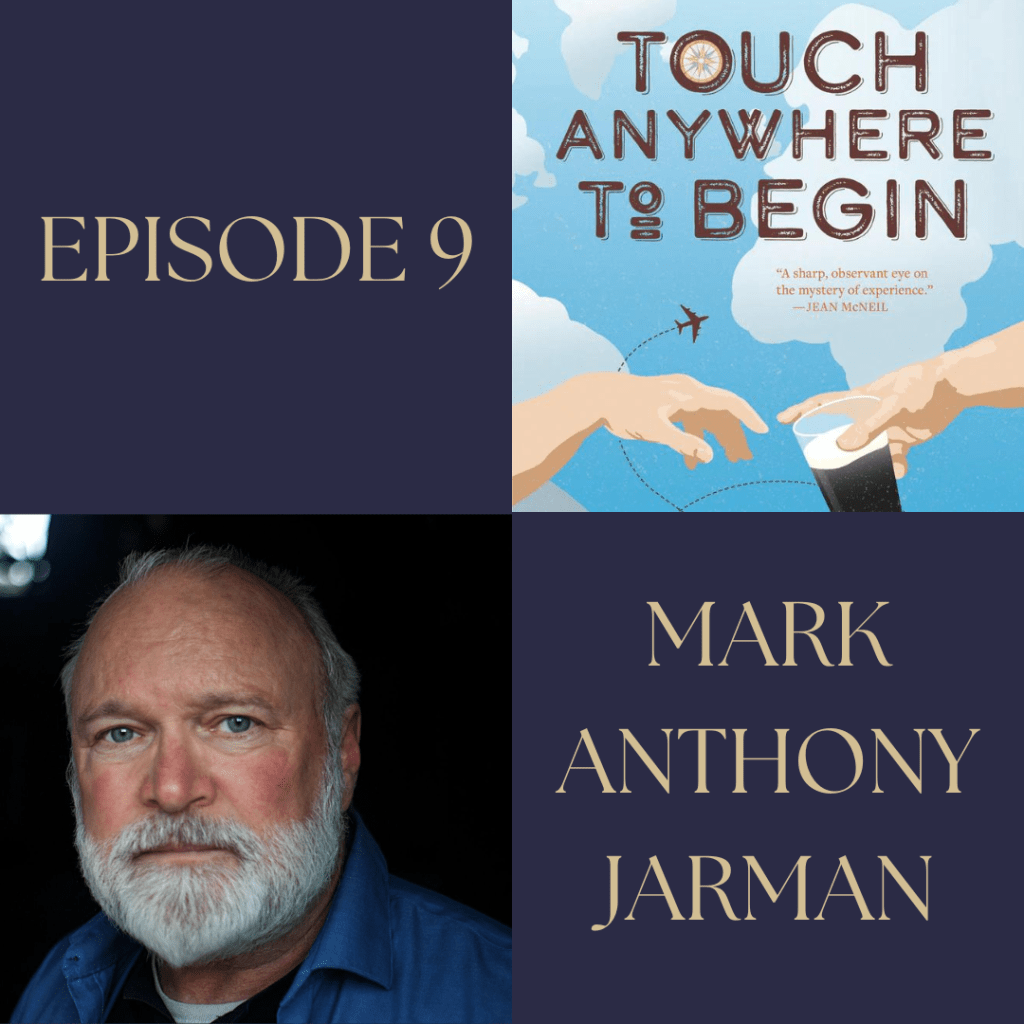
In this interview, we chat with Mark Anthony Jarman about hockey fiction, deadwood words, finding stories in newspaper clippings, and so much more.
Mark Anthony Jarman is the author of Touch Anywhere to Begin, Czech Techno, Knife Party at the Hotel Europa, My White Planet, 19 Knives, New Orleans Is Sinking, Dancing Nightly in the Tavern, and the travel book Ireland’s Eye. Burn Man, published in 2023 by Biblioasis, was an Editors Choice with the New York Times. He was an acquisitions editor for Oberon Press, and introduced many new writers through the Coming Attractions series. He is also the editor of Best Canadian Stories 2023. His novel Salvage King Ya! is on Amazon.ca’s list of 50 Essential Canadian Books and is the number one book on Amazon’s list of best hockey fiction. Widely published in Canada, the US, Europe, and Asia, Jarman is a graduate of the Iowa Writers’ Workshop, a Yaddo fellow, has taught at the University of Victoria, the Banff Centre for the Arts, and the University of New Brunswick. He is also co-editor of the literary journal CAMEL.
Book and poems mentioned in this episode:
Flowers of Evil – Charles Baudelaire
Study for Obedience – Sarah Bernstein
Cathedral – Raymond Carver
The Stories of John Cheever – John Cheever
Heart of Darkness – Joseph Conrad
The U.S.A. Trilogy – Jon Dos Passos
Literary Theory: An Introduction – Terry Eagleton
“The Love Song of J. Alfred Prufrock” – T. S. Eliot
The Great Gatsby – F. Scott Fitzgerald
Attack of the Copula Spiders: Essays on Writing – Douglas Glover
The Sun Also Rises – Ernest Hemingway
Dubliners; Ulysses – James Joyce
The Incognito Lounge and Other Poems; Jesus’ Son; Seek: Reports from the Edges of America & Beyond – Denis Johnson
On the Road – Jack Kerouac
Panama – Thomas McGuane
Dance of the Happy Shades – Alice Munro
Ada, or Ardor: A Family Chronicle; Lolita; Pale Fire – Vladimir Nabokov
“Bustillo and Maury have demonstrated once again that horror contains multitudes, and it doesn’t need to play arthouse dress-up to indicate as much. Horror’s philosophical and aesthetic merits have always already been there: all one needs to do is look.”
“Sayuri makes overtures to the cultural anxieties underlying many haunted house narratives, with several lines pointedly alluding to what constitutes a ‘happy life.’ An early scene depicts a teacher asking her disinterested class to analyze a poem by posing questions such as ‘Where do we find happiness?’ and ‘What exactly is happiness?’ The film ultimately disavows the notion that domestic ownership equals anything like existential fulfillment or familial harmony. It locates horror in the conformist embrace of cultural repetitions, depicting its haunting as something like a tape stuck in a loop: the same ghostly giggle echoes through the house again and again, haunted TVs replay snippets of glitchy footage, and one character repeatedly watches the simulated reenactment of her beloved’s grisly death.”
In this interview, Craig Laurance Gidney talks about genre mashups, writing workshops, telling Mom which of your stories to avoid, and so much more.
Craig Laurance Gidney (he/him/his) is the author of Sea, Swallow Me & Other Stories; Skin Deep Magic: Stories; Bereft (a YA novella); and A Spectral Hue (a novel). He has been a Lambda Literary Finalist three times, was a Carl Brandon Parallax Award Finalist, and won the inaugural Joseph S. Pulver Sr. Award for Weird Fiction. The Nectar of Nightmares is his most recent collection. He lives in Washington, D.C.
Books and stories mentioned in this episode:
The Handmaid’s Tale – Margaret Atwood
Giovanni’s Room; Go Tell It on the Mountain; If Beale Street Could Talk – James Baldwin
Jonathan Strange & Mr. Norrell; Piranesi – Susanna Clarke
Dhalgren – Samuel R. Delany
The Corrections – Jonathan Franzen
The Uncanny – Sigmund Freud
A Ring of Endless Light; A Wrinkle in Time – Madeleine L’Engle
Black Light – Elizabeth Hand
The Complete Tales of Uncle Remus – Joel Chandler Harris
“The Golden Pot”; “The Sandman” – E. T. A. Hoffmann
Finnegan’s Wake – James Joyce
“Josephine the Singer, or the Mouse Folk” – Franz Kafka
Delirium’s Mistress – Tanith Lee
“The Outsider”; “The Rats in the Walls” – H.P. Lovecraft
In this interview, Niall Howell talks about crime fiction, creative spontaneity, the magic of public swimming pools (soggy donuts!), and so much more.
Niall Howell lives in Calgary, Alberta with his wife, sons, and pets. His debut noir novel Only Pretty Damned was shortlisted for the Kobo Emerging Writer Prize for Literary Fiction. His follow-up novel, There Are Wolves Here Too, was shortlisted by the Book Publisher’s Association of Alberta for Mystery and Thriller book of the year. Niall’s short fiction has been featured in The Feathertale Review and FreeFall. He is currently working on his third novel.
Books mentioned in this episode:
City of Margins; Shoot the Moonlight Out – William Boyle
Save the Cat! Writes a Novel – Jessica Brody
Selected Letters of Raymond Chandler – Raymond Chandler; edited by Frank MacShane
The Guest – Emma Cline
Perfidia; This Storm; Widespread Panic – James Ellroy
Our Share of Night – Mariana Enriquez
The Wars – Timothy Findley
The Great Gatsby – F. Scott Fitzgerald
A Rage in Harlem – Chester Himes
It; Night Shift; Salem’s Lot – Stephen King
Burnt Offerings – Robert Marasco
Moby Dick – Herman Melville
Peyton Place – Grace Metalious
Devil in a Blue Dress – Walter Mosley
Toby Tyler; or, Ten Weeks with a Circus – James Otis







 Mike Thorn