
“With this short novel, Thorn tackles unknown sentient horrors, teenage rage, violence, and toxic masculinity in a stunning and intimate debut.”
Author | Critic

“With this short novel, Thorn tackles unknown sentient horrors, teenage rage, violence, and toxic masculinity in a stunning and intimate debut.”


“We made it through 2020, folks. We did it! As a reward, we’ve got an absolutely stacked year ahead of us when it comes to 2021’s new horror books. There are already over 100 titles on our radar for this year, with more expected to be announced for publication in the fall and winter. New releases include Grady Hendrix, Rivers Solomon, Stephen Graham Jones, Brian Evenson, Cassandra Khaw, Richard Chizmar, Zoje Stage, Josh Malerman, Cynthia Pelayo, Gemma Files, Ramsey Campbell, Catriona Ward, Chuck Wendig, Jeffrey Ford, V. Castro, and many, many, many more.”


What inspired Shelter for the Damned?
Like most creative projects, Shelter for the Damned took inspiration from numerous places. I wanted to write something in the suburban horror tradition, and I wanted to write something with adolescent characters. I drew a lot on the novels of Hubert Selby Jr. and Jim Thompson, specifically their pessimism and their unblinking commitment to disturbed protagonists devoured by their own demons …


“The novel’s pacing is relentless. You may find yourself breathing only during page turns. Thorn has a real knack for building intensity to a fever pitch and letting the effect carry over into the action. His prose is smooth and his dialogue stretches the anger of juvenile angst without forcing it into unnatural banter. What’s really terrifying about this novel is its fidelity to the suburban experience—that is, what’s scary is how realistic so much of it is.”


Kristi DeMeester’s Everything That’s Underneath reads something like a creative thesis on horror fiction’s inherently allegorical potential. The story’s title speaks to the collection’s persisting concerns. Namely, the book faces the menace undergirding polite society, and the unseen specters clawing at the outskirts of consciousness, even of reality itself (consider, for example, the title story, “Birthright,” and “Split Tongues”).
The author navigates lived-in, conflicted protagonists through plots whose threats are often shapeshifting, amorphous, and inscrutable. DeMeester demonstrates a mastery of withholding detail while doling out just enough information to pry her way under the reader’s skin. This is one of the most difficult tasks the horror writer faces: if we show too much, we risk deflating the tension, but if we show too little, we might seem like we’re bluffing or shying away from the dark stuff. DeMeester never misses the mark in this regard, depicting horrific presences that push against the thin membrane separating reality and that which is underneath.
The book displays an extremely impressive knack for character psychology, using heightened sensory experiences and drives as catalysts to confront supernatural forces. Consider the characters’ sexual lust propelling the narratives in “The Fleshtival,” “Daughters of Hecate,” and “Split Tongues,” or the yearning to undo loss in the title story and “To Sleep in the Dust of the Earth.” DeMeester is unflinching in her exploration of her characters’ desires, which lends itself to a convincing sense of realism in their motivations and actions.
Driven by challenging thematic interests and a stunning prose style, this book ranks among the best dark fiction collections of the past ten years. Think S. P. Miskowski, Gwendolyn Kiste, Kathe Koja … yes, DeMeester is that good. This is the work of a major talent, and an absolute must-read for anyone interested in contemporary weird fiction.
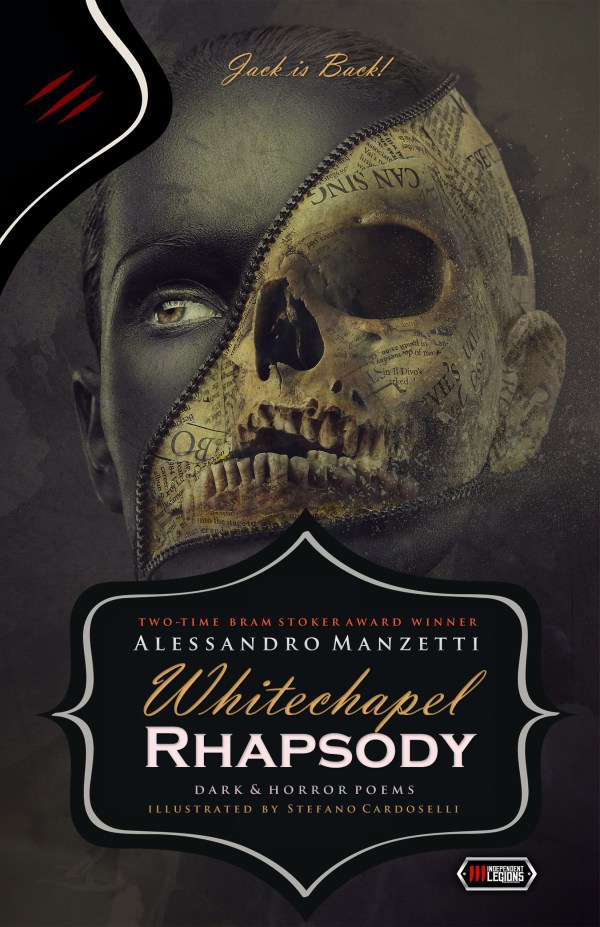
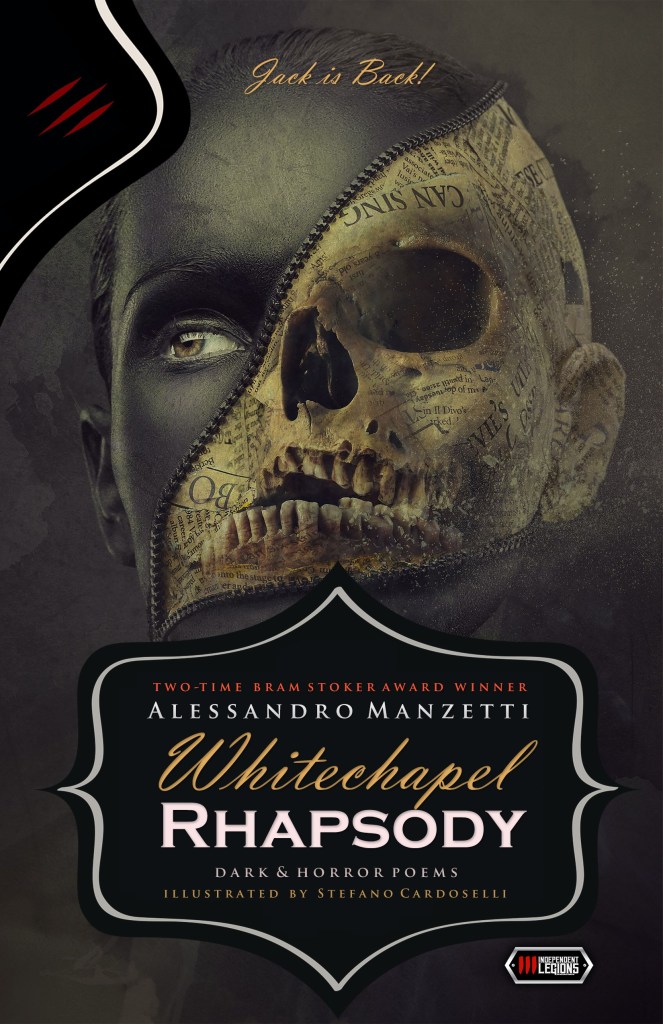
Alessandro Manzetti’s Whitechapel Rhapsody offsets the deluded grandeur of Jack the Ripper’s psychological world against the vivid despair of his environment. Written as a series of thematically connected, free-verse poems, Manzetti’s collection functions as an interesting exercise in depicting this core dissonance: the serial killer’s self-aggrandizing, romantic view of his own violence versus the true horror of its consequences. By setting these ideas at the center of his book, Manzetti offers a worthwhile study of longstanding tensions and ideas central to the horror genre: namely, the aesthetic merits and problems of braiding beauty with violence, and the destructive potential of artists with God complexes (in an abstract way, this brings to mind Lars von Trier’s excellent and similarly complicated The House That Jack Built [2018]).
The book boasts a breadth of reference that is fascinating and, in line with its central concerns, conflicted (not only key characters from the New Testament and Greek mythology, but also Rembrandt, Poe and Dickens, among others). The book is rich with sensory detail, showcasing Manzetti’s penchant for invoking brutal imagery via gorgeous language. Taking the form of something close to prose-poetry, the collection’s verse is accompanied by evocative black-and-white illustrations by Stefano Cardoselli.
Interestingly, the final poem, “The Dark King,” deviates from the book’s fixation on the Whitechapel district of 1888. Presenting the book’s most explicitly psychosexual elements, this piece dehistoricizes Jack the Ripper and imagines him as a cipher for man’s social rot, transcending time and place: “I am … / … Bukowski’s drunk stomach,” Manzetti writes, before urging the reader to “take between [their] teeth / this ticket to a grotesque Musée d’Orsay / full of iridescent French and Tahitian vulvas.” The poem (and collection) closes with a disturbing final line that implicates the reader in this uneasy marriage between cruelty and aesthetic attraction: “I am your dark side.”
At a slim length of fewer than one hundred pages, Whitechapel Rhapsody is ambitious, richly developed, and well worth your time.

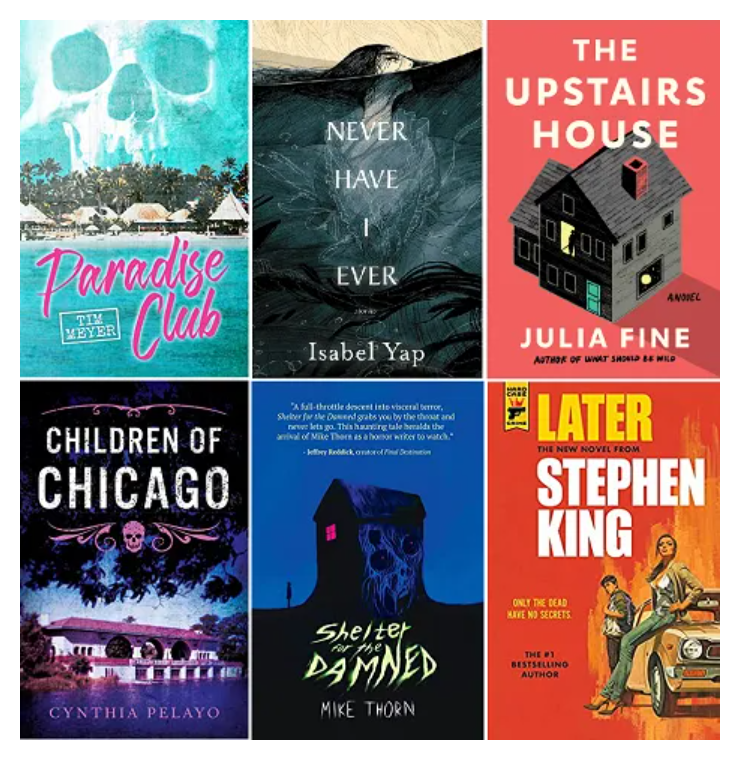
“Are you ready for 2021? I am!
While 2020 has been a hellfire, fortunately the quality of horror fiction remained excellent. There were plenty of fantastic horror books released this year and I hope they entertained you, or at least took your mind off your worries for a while.
So looking ahead to 2021, I have compiled a list of the most anticipated horror books coming soon! To make it simple, I chose the ones that already have a cover and publication date.”
Check out the full list.


On February 26, 2021, JournalStone will release Mike Thorn’s debut novel, Shelter for the Damned. This grisly, pessimistic, supernatural tale is Thorn’s contribution to the great tradition of suburban horror.
Visit Night Worms for an exclusive cover reveal (art by Trevor Henderson).
Pre-order directly from JournalStone.

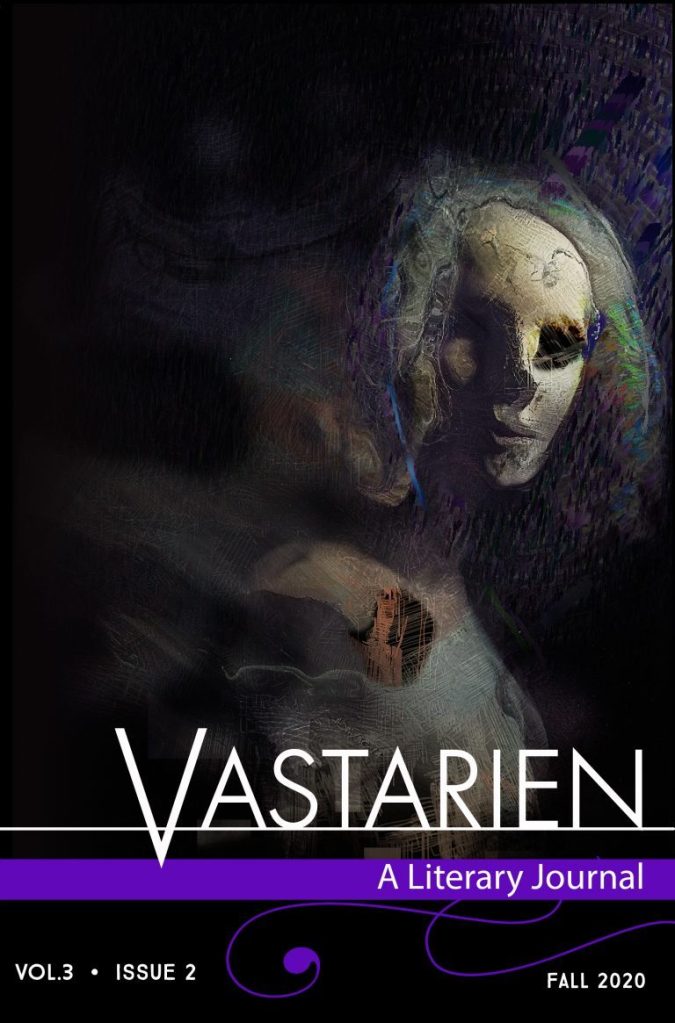
Mike Thorn’s new short story “Deprimer” is included in Vastarien: A Literary Journal, volume 3, issue 2. Pre-order here.

 Mike Thorn